
Compact Power Redefined: iPhone SE 2nd Generation Complete Guide and Long-Term Value Analysis
Budget-conscious Apple enthusiasts seeking flagship performance without premium pricing discovered their perfect match when Apple released the iPhone SE 2nd generation in April 2020. iPhone SE 2nd generation revolutionized the affordable smartphone segment by combining the powerful A13 Bionic chip from the iPhone 11 Pro with the classic iPhone 8 design, creating a device that delivers flagship capabilities in a compact, familiar form factor at a fraction of the cost.
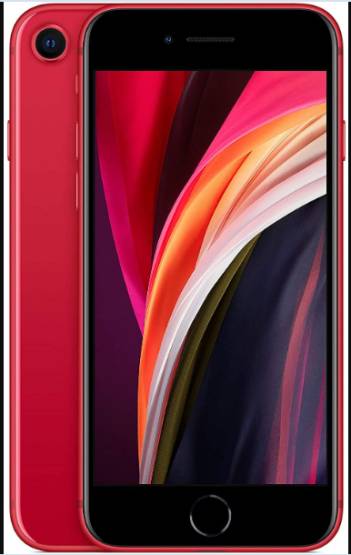
The second-generation iPhone SE represents Apple’s commitment to serving users who prioritize performance, longevity, and ergonomics over cutting-edge features like Face ID or edge-to-edge displays. This strategic positioning enabled Apple to capture market segments previously dominated by mid-range Android devices while providing existing iPhone users an affordable upgrade path maintaining Touch ID and compact dimensions increasingly rare in modern smartphone lineups.
This comprehensive exploration examines the iPhone SE 2nd generation’s current relevance five years after release, analyzes its remarkable software support longevity, evaluates real-world performance in 2025, compares it with newer SE models, and provides expert guidance helping potential buyers determine whether this aging yet capable device still represents smart value in today’s competitive smartphone market.
How Old is the iPhone SE 2nd Generation?
The iPhone SE 2nd generation is 5 years and 7 months old as of November 2025, having been announced on April 15, 2020, and released to the public on April 24, 2020. Despite this significant age, the device remains officially supported by Apple with iOS updates, continuing to receive the latest iOS 26.1 released November 3, 2025.
The 2020 release timing positioned the iPhone SE as Apple’s response to the COVID-19 pandemic’s economic uncertainty, providing consumers a budget-friendly option during challenging times. The $399 starting price made it the most affordable new iPhone available, undercutting the iPhone 11 by $300 while sharing the same processor.
Manufacturing lifecycle for the iPhone SE 2nd generation continued until March 2022 when Apple discontinued it following the iPhone SE 3rd generation release. The two-year production run represents standard practice for Apple’s SE lineup, with the company cycling through SE updates approximately every two years.
Model numbers include A2296 (global market), A2275 (USA, Canada), and A2298 (China), with slight variations in supported LTE bands optimizing regional cellular network compatibility. The global A2296 version supports the widest band selection for international use.
Is the iPhone SE Gen 2 Still Good?
Yes, the iPhone SE 2nd generation remains a capable device in 2025 for users with basic to moderate smartphone needs, though limitations become apparent in camera quality, battery life, and display technology compared to modern alternatives. The A13 Bionic chip still delivers smooth performance for everyday tasks including web browsing, social media, messaging, and even moderate gaming.
Performance metrics show the A13 Bionic achieving AnTuTu scores around 462,253 and Geekbench single-core scores of 1,337 with multi-core reaching 3,237. These numbers remain competitive with budget Android devices released in 2024-2025, demonstrating Apple’s silicon efficiency advantage even in five-year-old hardware.
The primary advantages maintaining the SE 2’s relevance include guaranteed iOS 26 support, exceptional build quality with IP67 water resistance, familiar Touch ID fingerprint authentication preferred by many users over Face ID, wireless charging support, and the compact 4.7-inch size increasingly rare in modern smartphones dominated by larger screens.
Significant limitations include the relatively small 1821 mAh battery providing mediocre endurance, single rear camera lacking ultra-wide or telephoto options, aging LCD display technology without HDR capability, thick bezels with prominent chin and forehead, and lack of 5G connectivity limiting future-proofing as carriers phase out 4G networks.
How Long Will the iPhone SE 2nd Gen Be Supported?
The iPhone SE 2nd generation will likely receive software updates through iOS 27 expected in September 2026, providing approximately 6-7 years of total software support from its April 2020 release. This projection follows Apple’s historical pattern of supporting iPhones for 5-6 years, with the A13 Bionic’s capability likely earning an extra year.
Current iOS 26.1 support confirms Apple’s commitment to the device entering its sixth year of updates, matching the support timeline provided to the iPhone 8 and 8 Plus which launched in 2017 and received their final update with iOS 16 in 2022. The SE 2’s more modern processor justifies extended support beyond typical expectations.
Security updates may continue for an additional year after major iOS updates cease, similar to Apple’s approach with other devices. This means the iPhone SE 2 could receive critical security patches through 2027, providing eight years of total security coverage from release.
Practical longevity depends heavily on battery health and individual usage patterns. Original batteries after 5 years typically show 70-80% maximum capacity, requiring replacement for optimal performance. With battery service, the SE 2 remains viable for basic users through 2026-2027.
Can the iPhone SE 2 Update to iOS 26?
Yes, the iPhone SE 2 fully supports iOS 26 with the latest iOS 26.1 version released November 3, 2025, available for download and installation. Apple confirmed iPhone SE 2nd generation compatibility when announcing iOS 26 at WWDC in June 2025, ensuring continued feature and security updates.
iOS 26 performance on the A13 Bionic remains smooth for standard operations, though some advanced features requiring neural engine processing or significant RAM may run slower than on newer devices. The 3GB RAM proves adequate for most tasks but occasional app reloads occur with heavy multitasking.
New features in iOS 26 accessible on iPhone SE 2 include enhanced privacy controls, improved messaging capabilities, advanced home screen customization, and security enhancements. However, features requiring LiDAR, multiple cameras, or Face ID remain unavailable due to hardware limitations.
The update process requires approximately 5-6GB free storage space for installation, potentially challenging on 64GB models already containing apps, photos, and media. Users should back up devices before updating and ensure adequate free space through content management.
iPhone SE 3: The Direct Successor
The iPhone SE 3rd generation launched March 18, 2022, as the immediate successor to the SE 2, maintaining identical external design while upgrading internals to the A15 Bionic chip from iPhone 13. The primary improvements include 5G connectivity, enhanced camera processing, longer battery life, and increased RAM to 4GB.
Pricing started at $429 for the 64GB model, representing a $30 increase from the SE 2’s launch price. This modest premium delivered significant capability improvements particularly in network connectivity and computational photography, though the design recycling disappointed users hoping for modernization.
Visual differences between SE 2 and SE 3 remain imperceptible externally, with identical dimensions, weight, and design language. Only model number inspection or software features like 5G connectivity reveal which generation users possess, creating market confusion.
iPhone SE A2296: Global Model Specifications
Model number A2296 represents the global variant sold in most international markets outside the Americas and China. This version includes the broadest LTE band support covering international roaming scenarios, making it ideal for travelers requiring worldwide cellular compatibility.
Technical specifications for A2296 match other variants in processor (A13 Bionic), display (4.7-inch Retina HD), camera (12MP f/1.8), and battery (1821 mAh). The only differences involve supported cellular bands optimized for European, Asian, African, and Oceanic network operators.
Identification verification occurs through Settings > General > About > Model Number, revealing the A2296 designation for global models. This information proves valuable when purchasing used devices, ensuring regional compatibility and unlocked status.
iPhone SE 4: Anticipated Future Release
iPhone SE 4 rumors suggest potential release in 2025 or early 2026 based on Apple’s typical two-year SE refresh cycle. Speculation indicates significant design changes potentially adopting iPhone 14 styling with larger display, Face ID, and elimination of the home button that has defined SE models.
Expected specifications include A16 or A17 processor, 5G connectivity, improved cameras potentially dual-lens configuration, OLED display technology, and modern design language abandoning the aging iPhone 8 chassis. These upgrades would position SE 4 as a true mid-range contender rather than budget compromise.
Pricing predictions suggest $499-549 starting point reflecting increased manufacturing costs from design changes while maintaining market positioning between budget Android devices and flagship iPhones. This premium over SE 3 reflects substantial capability and design improvements.
iPhone SE Gen 2: Model Identifier Clarification
“iPhone SE Gen 2” and “iPhone SE 2nd generation” represent identical devices with different naming conventions used interchangeably. Apple officially markets it as “iPhone SE (2nd generation)” with internal model identifier iPhone12,8 despite using A13 Bionic from iPhone 11 generation.
Generational numbering can confuse consumers as the “2nd generation” refers to the second SE release, not second-generation iPhone technology. The device represents 13th generation iPhone silicon (A13) in 8th generation iPhone body styling, demonstrating Apple’s SE strategy of mismatching components.
iPhone SE 1: First Generation Comparison
The original iPhone SE (1st generation) released March 31, 2016, pioneered Apple’s Special Edition concept by combining iPhone 6s internals with iPhone 5s design. This 4-inch device satisfied users desiring modern performance in ultra-compact form factors unavailable in Apple’s main lineup.
Comparing SE 1 to SE 2 reveals similar strategic positioning—both combined flagship processors with previous-generation designs at budget pricing. The SE 1 used A9 chip in iPhone 5s body while SE 2 employed A13 in iPhone 8 chassis, following identical playbooks four years apart.
The SE 1 received approximately 5 years of software support from iOS 9 through iOS 15, establishing the support precedent that SE 2 likely follows. This longevity demonstrated Apple’s commitment to budget devices receiving flagship-level software support.
iPhone SE 2025: Current Market Position
As of November 2025, the iPhone SE 2 remains available through refurbished channels, carrier promotions, and used markets rather than new retail inventory. Prices for used SE 2 range from $120-180 depending on condition and storage capacity, representing exceptional value for budget-conscious buyers.
Competitive alternatives in the $120-180 price range include budget Android devices from Samsung (Galaxy A series), Motorola, and Chinese manufacturers. However, the SE 2’s guaranteed iOS updates, ecosystem integration, and performance often justify its purchase over similarly-priced Android alternatives.
Primary use cases in 2025 include backup phones, devices for children or elderly users preferring simple interfaces, corporate deployments valuing security and manageability, or users genuinely preferring compact form factors and Touch ID over modern designs.
iPhone SE A2783: Third Generation Identifier
Model number A2783 identifies iPhone SE 3rd generation units sold in certain international markets, not the 2nd generation device. This model number helps buyers verify they’re purchasing the newer 5G-capable SE 3 rather than the older 4G-only SE 2 when shopping used markets.
Specification differences between A2296 (SE 2) and A2783 (SE 3) include the generational processor upgrade, 5G vs 4G connectivity, RAM increase from 3GB to 4GB, and enhanced camera processing. Externally identical devices require model number verification for accurate identification.
iPhone SE Gen 1: Legacy Pioneer
The first-generation SE’s 4-inch display represented the last compact iPhone until 2020’s iPhone 12 mini. Many users continued using SE 1 well beyond its support lifecycle due to superior one-handed usability unavailable in Apple’s larger device lineup.
Discontinuation occurred September 2018 after 2.5 years of sales, with Apple replacing it with iPhone 8 as the budget option until SE 2’s 2020 arrival. The gap between SE 1 and SE 2 reflected Apple’s evolving strategy regarding budget device positioning.
Evaluating iPhone SE 2 in 2025
iPhone SE 2nd generation represents remarkable value in 2025 for specific user profiles despite its 5+ year age. The combination of A13 Bionic performance, iOS 26 support, compact design, and sub-$150 used pricing creates compelling arguments for budget buyers, minimalists, and those preferring traditional iPhone design elements.
Understanding the device’s limitations—aging battery, single camera, 4G-only connectivity, and LCD display—helps set realistic expectations. The SE 2 excels as a communication device, web browser, and app runner while falling short of modern photography, multimedia consumption, and future-proofing standards.
The decision to purchase iPhone SE 2nd generation in 2025 should weigh personal priorities including budget constraints, desired features, expected usage patterns, and timeline before next upgrade. For users seeking maximum Apple ecosystem value at minimum investment, accepting the compromises inherent in five-year-old technology, the SE 2 remains surprisingly viable entering 2026.

Editor-in-chief in charge of reviewing an article before it is published on applerepo.com