
Bluetooth Mouse for iPad: Guide to Compatibility, Setup, and Top Picks
Transforming your iPad into a legitimate laptop replacement demands more than just attaching a keyboard—the addition of a bluetooth mouse for ipad fundamentally reshapes how you interact with Apple’s tablet, unlocking desktop-class precision for spreadsheet editing, pixel-perfect photo retouching, efficient document formatting, and extended productivity sessions where touch fatigue becomes genuinely limiting despite the responsive touchscreen that defined iPad’s original appeal.
The watershed moment arrived in March 2020 when Apple released iPadOS 13.4 introducing native mouse and trackpad support after years of relegating pointer devices to accessibility features, validating what productivity-focused users had long advocated: tablets could serve serious work without sacrificing the pointing precision that decades of desktop computing ingrained into professional workflows across industries from finance through design, from education through software development. Whether you’re a digital artist needing sub-pixel accuracy in Procreate or Affinity Photo, a student writing research papers in Microsoft Word or Google Docs, a business professional managing complex Excel spreadsheets or preparing PowerPoint presentations, or simply someone who finds extended touch-only operation ergonomically uncomfortable during multi-hour work sessions, understanding can you use any Bluetooth mouse with an iPad, evaluating is it worth using a mouse with an iPad for your specific use cases, discovering what is the best wireless mouse for an iPad across different price points and feature sets, and confirming will Logitech mouse work with iPad alongside other major brands empowers informed accessory decisions maximizing your tablet investment.
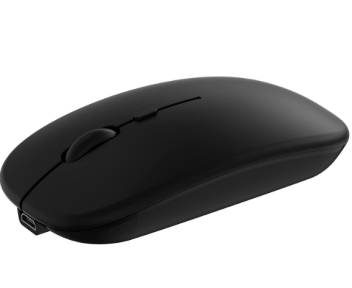
The bluetooth mouse ecosystem for iPad spans from Apple’s own $79-99 Magic Mouse 2 offering seamless native integration and gesture support through Logitech’s extensive lineup ranging from budget $20 Pebble mice to premium $100+ MX Master productivity powerhouses, from gaming-focused options like Razer Orochi V2 delivering high-DPI sensors and low-latency connections to ultra-portable compact designs from Microsoft, Keychron, and countless third-party manufacturers flooding Amazon and Best Buy with options at every conceivable price point. The selection paralysis proves real when facing dozens of seemingly similar wireless mice claiming iPad compatibility—some delivering exceptional experiences justifying premium pricing through superior ergonomics, multi-device switching, rechargeable batteries, and extensive customization, while others provide bare-minimum functionality adequate for basic tasks but frustrating for serious productivity work requiring precise control, reliable connectivity, and comfortable extended use. This comprehensive guide cuts through marketing claims and spec sheet confusion, examining compatibility requirements ensuring your chosen mouse actually works with your specific iPad model, comparing feature sets determining which capabilities matter for different use cases versus marketing fluff inflating prices without delivering proportional value, reviewing top-rated models across budget tiers identifying best choices at $20, $50, and $100+ price points, and providing step-by-step setup guidance transforming iPad from pure touch device into cursor-controlled productivity machine rivaling traditional laptops for many common tasks while maintaining tablet portability and versatility unavailable in conventional computers.
Can You Use Any Bluetooth Mouse with an iPad? Universal Compatibility Explained
The Simple Answer: Yes, with Requirements
Can you use any Bluetooth mouse with an iPad? The straightforward answer is yes—virtually any Bluetooth-enabled wireless mouse will connect to and function with iPads running iPadOS 13.4 or later, regardless of manufacturer, price point, or original intended platform. The iPad’s built-in Bluetooth radio communicates using universal Bluetooth standards enabling device pairing with any mouse broadcasting standard Bluetooth discovery signals, from generic $10 no-name Amazon basics through premium $150 productivity flagships, from gaming mice designed for Windows PCs through business mice marketed to Mac users. The critical distinction versus older iPadOS versions involves native cursor support introduced in version 13.4 released March 2020—prior versions required enabling AssistiveTouch accessibility features creating large circular cursor unsuitable for precision work, while 13.4+ provides proper arrow pointer dynamically changing shape based on screen content, matching desktop cursor behavior users expect from traditional computers.
The universal compatibility stems from Bluetooth’s role as standardized wireless protocol governed by Bluetooth Special Interest Group maintaining specifications ensuring interoperability across devices from different manufacturers. When mouse and iPad both implement Bluetooth standards correctly, they establish communication regardless of brand combinations—your Logitech mouse pairs identically with iPad as with MacBook or Windows laptop, your Microsoft mouse works equally well with iPad as Surface tablet, your Razer gaming mouse connects to iPad despite targeting Windows gamers primarily. The absence of proprietary pairing requirements or manufacturer-specific protocols means users can confidently purchase any Bluetooth mouse knowing it will connect to iPad, though functionality depth may vary based on mouse features and iPad’s ability to leverage advanced capabilities like programmable buttons or adjustable DPI beyond basic pointing and clicking.
The iPadOS version requirement represents the only significant limitation determining mouse compatibility. Your iPad must run iPadOS 13.4 or later to access full mouse support with proper cursor, customizable settings, and smooth tracking—earlier versions either don’t support mice at all or relegate them to clunky accessibility features. The compatible iPad models include every iPad Pro ever released (2015 12.9″ first-generation through 2024 models), iPad Air 2 and all newer Air models, iPad 5th generation (2017) and all subsequent standard iPads, and iPad mini 4 and mini 5/6 models. Older devices like original iPad Air, iPad mini 2/3, or iPad 4th generation and earlier cannot update to iPadOS 13.4+ and therefore lack proper mouse support regardless of mouse quality. Check your iPad’s compatibility by navigating to Settings > General > About and viewing software version—if you can update to iPadOS 13.4 or already run newer versions (current is iPadOS 17+ in 2026), any Bluetooth mouse will work perfectly with your tablet.
Bluetooth Standards and Technical Requirements
The Bluetooth version on mouse impacts connection quality, battery efficiency, and range, though all modern Bluetooth iterations maintain backward compatibility ensuring even newest Bluetooth 5.3 mice pair with older iPad Bluetooth 4.2 radios. Bluetooth 5.0 and newer versions offer several advantages: extended range up to 800 feet line-of-sight versus 200 feet for Bluetooth 4.2 (though practical indoor range proves more limited due to walls and interference), lower power consumption extending battery life particularly for coin-cell or rechargeable batteries in mice, faster data transfer enabling slightly reduced latency though differences prove imperceptible for basic cursor movement, and improved coexistence with WiFi and other 2.4GHz devices reducing disconnection issues in crowded wireless environments. However, older Bluetooth 4.x mice work perfectly well for typical iPad use with only marginal real-world differences versus latest standards—don’t feel compelled to upgrade functional older mice purely for newer Bluetooth versions unless experiencing specific connectivity problems.
The no-dongle requirement for Bluetooth mice creates significant advantage for iPad use compared to mice using proprietary 2.4GHz wireless dongles. Traditional wireless mice often include USB-A dongles providing wireless connectivity to computers, but iPads lack USB-A ports and don’t support USB receiver dongles even when connected through Lightning to USB Camera Adapter or USB-C to USB-A adapters on iPad Pro models. The iPad sees USB dongles as unsupported peripherals rather than recognizing connected mice, rendering dongle-dependent wireless mice useless for iPad despite working perfectly with laptops. This limitation means if you own dual-mode mice supporting both Bluetooth and proprietary 2.4GHz wireless (common in Logitech and Microsoft lineups), you must use Bluetooth mode for iPad connectivity even if you prefer dongle connection for lower latency or channel flexibility on computers. Pure dongle-only wireless mice without Bluetooth cannot connect to iPad at all, making Bluetooth support mandatory requirement for iPad mouse compatibility.
Limitations and Feature Exceptions
The programmable button situation varies depending on implementation method. Many gaming and productivity mice include side buttons, DPI adjustment buttons, or special function keys programmable through manufacturer software like Logitech G Hub, Razer Synapse, or Corsair iCUE. The iPad limitation involves these configuration programs exclusively running on Windows or macOS, not iOS/iPadOS, preventing iPad-only users from customizing button assignments or creating complex macros. However, buttons programmed on computer before pairing mouse with iPad typically retain their programming when switching to iPad, enabling workaround where you configure mouse using computer, then connect to iPad with custom settings intact. The buttons iPad can natively remap include standard left-click, right-click, middle-click (scroll wheel press), and backward/forward side buttons through Settings > Accessibility > Touch > AssistiveTouch > Devices—selecting connected mouse reveals button customization screen allowing assignment of actions like Home, App Switcher, Dock, Control Center, or custom gestures to physical mouse buttons without needing manufacturer software.
The multi-device switching features incorporated in many modern mice work excellently with iPad. Mice like Logitech MX Master 3S, MX Anywhere 3S, M720 Triathlon, and similar productivity-focused models include Easy-Switch buttons enabling instant switching between three paired devices by pressing dedicated toggle—pairing your iPad, MacBook, and iPhone creates seamless cross-device workflow where single mouse controls whichever device you’re actively using without re-pairing. The connection remembers paired devices even after extended periods unused, reconnecting within seconds when switching back to iPad after days using mouse exclusively with computer. This proves particularly valuable for users maintaining both iPad and laptop workflows, using iPad for consumption and light tasks while relying on computer for heavy work, enabling single quality mouse serving both devices rather than dedicating separate mice creating desk clutter and inconsistent ergonomic experience across computing platforms.
The gaming mouse considerations involve features designed for competitive gaming that work differently or not at all on iPad. High DPI sensors (6000+ DPI common in gaming mice) function on iPad but provide minimal benefit since iPadOS cursor scaling doesn’t leverage extreme precision the way PC games do—moderate 1000-1600 DPI proves more than adequate for iPad’s interface and supported applications. RGB lighting effects configurable in gaming mice through Windows software cannot be adjusted from iPad, though default lighting patterns continue functioning and mouse remains usable despite inability to customize aesthetics. Gaming-specific features like rapid-fire buttons, macro recording, and profile switching require manufacturer software unavailable on iPad, limiting advanced gaming mice to basic functionality when paired with tablets though standard pointing, clicking, and scrolling work flawlessly enabling iPad gaming in supported titles.
Is It Worth Using a Mouse with an iPad? Comprehensive Use Case Analysis
The Productivity Revolution: Desktop-Class Workflows on Tablet
Is it worth using a mouse with an iPad? For productivity-focused users spending multiple hours daily in documents, spreadsheets, presentations, or creative applications, a Bluetooth mouse transforms iPad from adequate consumption device into genuine laptop alternative capable of serious work rivaling traditional computers for many professional tasks. The precision advantage proves immediately apparent in applications demanding exact cursor placement—selecting specific cells in Excel spreadsheets, positioning text cursors between characters in Word documents, clicking small interface buttons in complex applications, and targeting hyperlinks in dense web pages all benefit dramatically from mouse pointer accuracy versus finger-based touch requiring users to zoom, adjust, and carefully aim broad fingertips at tiny targets. The extended work session ergonomics similarly favor mice, as holding arms elevated to touch screen repeatedly creates shoulder and arm fatigue during multi-hour editing or data entry marathons, while resting hand on desk-positioned mouse enables comfortable sustained operation matching laptop ergonomics users expect from professional computing.
The specific productivity scenarios where mice deliver clear advantages include spreadsheet management where precise cell selection, formula bar editing, and drag-filling operations prove cumbersome with touch but natural with mouse, requiring constant zooming and careful finger placement for tasks that flow effortlessly with cursor precision. Document editing and formatting benefits from accurate text selection, precise insertion point placement, and easy access to formatting ribbons and context menus through right-click functionality replicating desktop word processing experience that touch-only operation approximates but doesn’t quite match. Graphic design and photo editing applications like Affinity Designer, Photoshop for iPad, and Lightroom expose limitations of touch precision for selecting specific layers, adjusting individual control points on paths, or making surgical selection refinements in masking—mice enable pixel-perfect control that elevates iPad from hobbyist design tool to professional creative workstation. Web-based work including research, writing, data entry into online forms, and managing complex web applications with numerous small buttons and links all flow more efficiently with mouse navigation versus constant zoom-and-tap patterns touch interfaces demand.
The multitasking improvements in Stage Manager and Split View modes introduced in recent iPadOS versions particularly benefit from mouse control. Managing multiple overlapping windows, resizing panes by dragging edges, clicking precise window controls, and switching between applications through taskbar-style interfaces all feel more natural with cursor precision versus touch gestures that sometimes trigger unintended actions or require careful aim at small targets. The cursor provides visual feedback showing exactly where clicks will land, reducing errors and improving confidence during rapid multitasking workflows where touch ambiguity slows operations and increases mistakes. The ability to hover over interface elements revealing tooltips, highlighting clickable areas, and previewing actions before committing proves valuable in complex applications where touch’s binary tap-or-don’t pattern provides no preview functionality.
When Touch Remains Superior to Mouse
The content consumption scenarios where touch maintains clear advantages include casual web browsing where scrolling and link tapping prove quicker with natural swipe-and-tap gestures versus moving cursor to scroll bars or links, reading e-books and PDFs where touch page turns feel more natural than clicking navigation buttons, watching videos where on-screen tap controls provide immediate access versus cursor positioning, and general media apps designed around touch-first interfaces that add mouse support as afterthought but don’t optimize for cursor interaction. The immediate tactile connection of touching desired content directly versus moving intermediary cursor to representation of content creates satisfying directness that mice sacrifice for precision—when precision isn’t required, touch’s directness wins.
The artistic applications show mixed results with Procreate and similar illustration apps strongly favoring Apple Pencil for drawing but potentially benefiting from mouse for interface navigation, selection tools, and layer management. The drawing itself demands pressure-sensitive pen input that mice cannot provide, but the supporting workflow of selecting tools, organizing layers, making selections, and adjusting settings works well with mouse control enabling off-hand interface management while dominant hand holds Apple Pencil. The gaming category similarly splits between touch-optimized games designed for direct screen interaction where mice feel unnatural versus desktop-style games ported to iPad where mouse provides superior control matching original input method. Games like Civilization, Stardew Valley, or strategy titles benefit dramatically from mouse precision, while action games, platformers, or titles designed for touch control play better without mouse interference creating extra layer between player intention and on-screen action.
The portability scenarios favor touch-only operation during mobile use where pulling out mouse creates awkward setup, demands flat surface, and slows quick interactions that touch accomplishes instantly. Using iPad on couch, in bed, during transit, or anywhere without proper desk creates situations where touch proves not just adequate but actively superior to mice requiring stable surface and space for movement. The weight and space considerations of carrying mouse, managing its battery or charging needs, and dedicating bag space to peripheral that iPad functions without all argue against mice for truly mobile users who maximize iPad’s tablet nature rather than attempting laptop replacement. The decision matrix involves honestly assessing primary use patterns—desk-bound productivity users gain massive benefit from mice, while mobile-first users should skip mice and embrace touch interface for which iPad was designed.
The Hybrid Approach: Best of Both Worlds
The recommended workflow for users legitimately splitting time between productivity and consumption involves maintaining mouse available for desk-based work while comfortably using touch for casual tasks and mobile scenarios. The Magic Keyboard or Smart Keyboard Folio setups create natural desk configurations where adding mouse completes laptop-like experience during focused work, while undocking iPad for couch browsing or bed reading transitions naturally to touch without mouse creating friction. The bluetooth mouse serves as optional enhancement during appropriate contexts rather than mandatory component required for basic operation—this flexibility represents iPad’s core advantage over traditional laptops that depend entirely on input peripherals versus operating naturally through multiple interaction paradigms.
The cost-benefit calculation weighs roughly $20-100 mouse investment against productivity improvements and ergonomic benefits during extended work sessions. Users spending 20+ hours weekly doing serious productivity work on iPad almost certainly benefit from mouse investment through improved comfort, reduced fatigue, enhanced precision, and increased work efficiency easily justifying $50-75 for quality mouse delivering years of reliable service. Casual users spending most iPad time consuming media, browsing casually, or using touch-optimized apps probably waste money on mouse gathering dust because touch already serves their needs perfectly. The middle ground of moderate productivity users doing occasional documents, spreadsheets, or content creation benefits from budget $20-30 mouse providing precision when needed without major expense for accessory used intermittently rather than constantly throughout workday.
Understanding iPad Mouse Support: How iPadOS Implements Cursor Control
The Dynamic Cursor System: Context-Aware Pointer
The cursor behavior on iPad differs substantially from traditional desktop pointers through context-aware transformations adapting shape and appearance based on interface elements beneath cursor position. The default cursor appears as small circular dot rather than traditional arrow, morphing into various shapes depending on content: expanding into highlighting rectangle when hovering over buttons making click targets more obvious, transforming into I-beam for text insertion points matching desktop text editing expectations, changing to hand icon over clickable links replicating web browser conventions, and shifting to crosshairs for precision tasks in creative applications. This dynamic behavior reduces visual clutter compared to constantly visible desktop arrows while providing contextual feedback about interactive elements and potential actions—when cursor morphs to button-sized rectangle, you know clicking will activate that button regardless of exact dot position within highlighted area.
The AssistiveTouch integration provides the infrastructure enabling cursor display and mouse customization on iPad. Navigate to Settings > Accessibility > Touch > AssistiveTouch and toggle on to enable mouse support—without AssistiveTouch enabled, connected mice provide no visible cursor and don’t control iPad. The AssistiveTouch menu appears as floating translucent button providing quick access to Home, multitasking, screenshots, and custom actions, though you can minimize or hide this button while retaining mouse functionality if the on-screen button bothers you. The AssistiveTouch framework originally designed for users with physical limitations requiring touch alternatives has been repurposed to handle external pointing devices, creating somewhat confusing setup where “accessibility” settings control standard input peripherals most users don’t consider accessibility features—expect eventual migration to main Settings menu as Apple fully normalizes mouse support beyond accessibility origins.
The customization options accessible through Settings > Accessibility > Touch > Pointer Style let you personalize cursor appearance, size, color, and behavior matching preferences or improving visibility against different backgrounds. The pointer size slider ranges from tiny barely-visible dot through large easy-to-spot circle suitable for users with vision difficulties or working on external displays at distance from screen. The color picker enables changing pointer from default black through various colors or auto-contrast mode that adapts color to background ensuring visibility against dark and light interface elements. The pointer animation settings control movement responsiveness and momentum—higher tracking speed means cursor travels farther across screen for same physical mouse movement enabling quick cross-screen cursor jumps with minimal desk space, while lower tracking matches cursor movement closer to hand movement providing precision for detailed work at cost of requiring more desk space or repeated mouse lifts to cross large iPad screens.
Supported Mouse Functions and Button Mapping
The standard mouse buttons map to iPad actions matching desktop expectations with few surprises. Left-click performs single tap equivalent selecting items, activating buttons, following links, and triggering primary actions throughout iPadOS matching universal left-click behavior. Right-click opens context menus when available showing options like copy, paste, delete, share, and app-specific commands replicating desktop right-click conventions that iPadOS now supports system-wide rather than limiting to touch-and-hold gestures. Middle-click (scroll wheel press) defaults to Home button equivalent instantly returning to home screen from any app—convenient quick-access gesture though customizable to different actions if you prefer alternative middle-click behavior. The scroll wheel naturally scrolls content up and down matching desktop expectations, with two-finger trackpad scroll direction preference affecting whether wheel-up scrolls content up or down based on your mental model preference.
The additional button support depends on mouse model and how many extra buttons beyond standard left/right/middle it provides. Mice with back/forward side buttons (common on productivity and gaming mice) allow mapping these to navigation actions—Settings > Accessibility > Touch > Devices > [your mouse] reveals button customization screen showing all detected buttons and current assignments. The available actions include Home (return to home screen), App Switcher (multitasking view), Dock (show/hide dock), Control Center, Notification Center, Screenshot, Lock Screen, Volume Up/Down, Siri, Shake, plus custom gestures you create. Mice with 5-6+ buttons can dedicate each to different common actions creating extremely efficient workflows where frequently-used commands sit under thumb without navigating menus—screenshot on button 4, app switcher on button 5, control center on button 6 creates productivity powerhouse mouse enabling complex iPad control without touching screen.
The gesture support extends mouse utility beyond simple pointing through Actions menu accessible via AssistiveTouch. While trackpads excel at gestures through multi-finger swipes, mice can trigger equivalent gestures through button assignments: four-finger swipe up for app switcher, four-finger swipe left/right for app switching, three-finger swipe up for home, pinch-to-zoom, and more all assignable to mouse buttons replicating gesture functionality without literal swiping. This proves particularly valuable for users who prefer mouse over trackpad but still want quick access to gesture-based navigation that defines modern iPadOS workflows—rather than choosing between mouse precision OR gesture convenience, proper button mapping delivers both simultaneously.
What is the Best Wireless Mouse for an iPad? Top Recommendations by Tier
Premium Tier: Professional-Grade Bluetooth Mice
What is the best wireless mouse for an iPad? The Logitech MX Master 3S (and newer MX Master 4) represents the pinnacle of productivity-focused Bluetooth mice combining exceptional ergonomics, extensive customization, multi-device switching, ultra-precise scrolling, and premium build quality justifying $100-110 price point for professionals spending hours daily in demanding productivity workflows. The sculptured right-handed design fits hand naturally reducing fatigue during marathon work sessions, the electromagnetic MagSpeed scroll wheel enables both line-by-line precision and momentum-based fast scrolling through endless documents covering 1000 lines per second, the thumb scroll wheel provides horizontal scrolling in spreadsheets and timelines without awkward modifier keys, and the customizable buttons (six programmable through Logi Options+ on Mac/PC, subset customizable on iPad through AssistiveTouch) enable workflow optimization. The Bluetooth 5.1 connectivity switches instantly between three paired devices via Easy-Switch buttons enabling seamless iPad-MacBook-desktop workflow, while USB-C rechargeable battery lasts up to 70 days per charge eliminating disposable battery waste and replacement costs over mouse’s multi-year lifespan.
The Logitech MX Anywhere 3S delivers MX Master’s core benefits in significantly more portable 100g form factor ideal for users prioritizing travel or splitting time between desk and mobile work. The compact symmetric design fits smaller hands better than bulky MX Master while maintaining quality sensor, customizable buttons, quiet click technology reducing noise by 90% for library or office use, Darkfield sensor tracking on glass and glossy surfaces where optical mice typically fail, and identical Easy-Switch multi-device capabilities connecting iPad, laptop, and phone simultaneously. The scroll wheel quality matches MX Master’s electromagnetic precision though horizontal scroll wheel is sacrificed in compact chassis, and USB-C rechargeable battery provides 70 days between charges matching larger sibling. The $80-90 price positions MX Anywhere 3S as sweet spot for iPad users wanting premium features without full-size mouse bulk, particularly students, travelers, or professionals working from various locations rather than fixed desk.
The Apple Magic Mouse 2 represents the native-integration option delivering seamless iPad experience through touch surface enabling swipe gestures, minimalist aesthetic matching Apple design language, rechargeable battery eliminating disposable cells, and guaranteed software compatibility since Apple controls both mouse and operating system. The multi-touch surface supports two-finger swipes for navigating pages, zooming, and swiping between apps creating hybrid mouse-trackpad experience unique in mouse market. However, significant drawbacks limit Magic Mouse appeal: the ultra-flat profile creates ergonomic disaster during extended use causing hand cramping that users with any hand or wrist issues should absolutely avoid, the Lightning charge port located on bottom prevents use while charging creating inexcusable design flaw for $79-99 device, the lack of physical scroll wheel means scrolling relies entirely on finger swipes across touch surface feeling unnatural for users preferring traditional wheel, and the limited customization provides no button mapping beyond basic gestures. Magic Mouse suits casual iPad users prioritizing aesthetics and willing to sacrifice ergonomics, but productivity-focused users should choose Logitech alternatives delivering superior comfort and functionality.
Mid-Range Excellence: Value and Performance Balance
The Logitech M720 Triathlon delivers premium features at mid-range $40-50 pricing through slightly larger form factor and replaceable AA batteries versus rechargeable cells in pricier models. The tri-mode connectivity supports three devices via Easy-Switch buttons enabling instant switching between iPad, computer, and phone identical to MX series mice at half the price. The hyper-fast scroll wheel provides momentum scrolling through long documents plus click-to-click ratchet mode for precision, six programmable buttons enable workflow customization, dual connectivity through Bluetooth or included USB receiver provides flexibility, and extraordinary 24-month battery life from single AA battery eliminates frequent replacements. The ergonomic right-handed shape suits medium to large hands comfortably during full workdays, the 1000 DPI sensor tracks accurately on most surfaces, and Logitech’s reliable build quality typically delivers 3-5 years service making total cost of ownership excellent. The slight bulk prevents ultra-portable classification but desk-based productivity users find M720 sweet spot between budget basics and premium pricing.
The Microsoft Surface Mobile Mouse ($30-40) provides ultra-portable alternative emphasizing minimalist aesthetics, slim profile slipping easily into laptop bags alongside iPad, Bluetooth 5.0 connectivity, and efficient battery life reaching 12 months from two AAA batteries. The ambidextrous design accommodates left and right-handed users, the smooth scroll wheel handles documents comfortably, and subtle color options (Platinum, Burgundy, Black, Sage) enable personalization matching aesthetic preferences. The limitations include basic feature set lacking programmable buttons, single-device Bluetooth without multi-device switching, modest 1000 DPI sensor adequate but not exceptional, and bare-bones functionality prioritizing simplicity over customization. Surface Mobile Mouse suits minimalist users wanting clean reliable mouse without complexity or bulk, particularly students and casual productivity users who don’t need advanced features justifying higher prices.
The Razer Orochi V2 ($40-50) targets users wanting gaming performance in portable package suitable for dual-purpose productivity and gaming iPad use. The ambidextrous 60g lightweight design enables rapid precise movements for competitive gaming, the 18,000 DPI optical sensor provides extreme precision adjustable through DPI buttons, dual-mode connectivity switches between Bluetooth 5.0 and low-latency 2.4GHz wireless via included dongle (though dongle doesn’t work with iPad directly), and exceptional 950-hour Bluetooth battery life from single AA battery outlasts nearly all competitors. The six buttons provide comprehensive control though customization requires Windows Razer Synapse software for programming then retains settings when switching to iPad. The gaming-focused design lacks ergonomic sculpting that productivity mice emphasize, potentially causing fatigue during all-day office work, but gamers prioritizing iPad gaming in supported titles appreciate performance otherwise found only in full-size gaming mice incompatible with mobile workflows.
Budget-Friendly Champions: Essential Functionality Under $30
The Logitech M350 Pebble ($20-30) represents budget reliability from trusted brand delivering simple Bluetooth connectivity, ultra-compact pebble shape fitting small bags, quiet clicking at libraries and quiet offices, 18-month battery life from single AA battery, ambidextrous design, and choice of colors including graphite, pink, white, and blue. The minimalist approach omits programmable buttons, scroll wheel provides basic functionality without hyper-fast mode, 1000 DPI sensor handles everyday tasks adequately but lacks precision for detailed creative work, and single-device Bluetooth means no easy switching between iPad and other devices. The M350 suits budget-conscious users needing basic reliable mouse without premium features, students on tight budgets, or secondary mouse for travel leaving expensive primary mouse safely at home. The positive reputation and Logitech quality at accessible pricing makes Pebble safe recommendation for first-time iPad mouse buyers testing whether mouse improves their workflow before investing in premium options.
The Logitech M240 Silent ($18-25) undercuts M350 further while maintaining quality and adding silent click technology reducing click noise 90% versus standard mice. The compact symmetric shape suits small to medium hands, three-year battery life from single AA battery dramatically reduces replacement frequency, reliable Bluetooth 5.1 connectivity, and color options enable personalization. The extreme budget positioning necessitates compromises: basic sensor, no additional buttons, simple scroll wheel, and plastic build quality adequate but not premium. The ultra-quiet operation proves M240’s killer feature for library students, shared office workers, or anyone clicking near others who’d prefer not hearing constant click-clack—the silent switches feel identical to normal clicks but produce minimal noise creating considerate computing essential in quiet environments.
The generic no-brand Bluetooth mice flooding Amazon and AliExpress at $8-15 provide absolute minimum functionality for users wanting cheapest possible iPad mouse or temporary solution while primary mouse charges or undergoes repair. The quality varies wildly from surprisingly adequate to absolutely terrible with no middle ground—reading user reviews carefully before purchase proves essential to avoid complete duds that disconnect constantly, track poorly, or fail within weeks. The typical generic mouse includes basic three-button functionality, questionable build quality, minimal battery life, unreliable Bluetooth connection prone to dropouts, and zero customer support when inevitable problems arise. Occasional gems exist delivering good value, but generally spending $20-25 for Logitech Pebble or M240 provides dramatically better experience than gambling on $10 no-names that might work acceptably or might frustrate constantly—the $10-15 savings rarely justifies reliability and quality sacrifice compared to entry-level name brands.
Will Logitech Mouse Work with iPad? Complete Logitech Compatibility Guide
Universal Logitech Bluetooth Compatibility
Will Logitech mouse work with iPad? Yes, all Logitech Bluetooth mice work perfectly with iPads running iPadOS 13.4 or later through standard Bluetooth pairing process identical to connecting any wireless peripheral. Logitech’s extensive mouse lineup spanning budget M240 Silent through premium MX Master series all implement standard Bluetooth protocols ensuring iPad compatibility without requiring special drivers, proprietary pairing procedures, or Logitech-specific software for basic functionality. The straightforward connection involves putting Logitech mouse in pairing mode (typically holding Bluetooth button until LED flashes rapidly), opening iPad Settings > Bluetooth, tapping mouse name when it appears in available devices list, and waiting few seconds for pairing to complete showing “Connected” status—immediately after pairing, moving mouse reveals cursor on iPad screen confirming successful connection ready for immediate use.
The multi-device Logitech mice featuring Easy-Switch buttons provide exceptional iPad experience by enabling seamless switching between iPad and other devices. Models including MX Master 3S/4, MX Anywhere 3S, M720 Triathlon, M590 Silent, and others with numbered switch buttons on bottom support pairing with three devices simultaneously—hold button 1 while pairing with iPad, button 2 with MacBook, button 3 with iPhone or desktop creating instant device-switching workflow without re-pairing. During use, simply press corresponding button to switch mouse control to that device within 1-2 seconds, ideal for users maintaining multiple devices on desk and wanting single quality mouse serving all rather than cluttering workspace with device-specific peripherals. The connection memory persists indefinitely, reconnecting to previously-paired devices immediately when selecting their button even after weeks unused.
The USB receiver limitation affects Logitech mice bundled with Unifying Receiver or Bolt dongles providing 2.4GHz wireless connectivity alternative to Bluetooth. While these dongles work excellently with computers providing lower latency and avoiding Bluetooth interference, iPads don’t support USB receivers even when connected through Lightning to USB adapter or USB-C ports on iPad Pro models—iPadOS sees dongles as unsupported USB devices ignoring connected peripherals. Dual-mode Logitech mice supporting both Bluetooth and USB receiver (like M720, M585, M590) must use Bluetooth mode for iPad connectivity, while receiver-only mice without Bluetooth (increasingly rare in Logitech’s lineup) cannot connect to iPad at all. Check mouse specifications before purchase ensuring Bluetooth support if iPad compatibility matters—product pages explicitly list “Bluetooth” in connectivity specs for compatible models.
Logitech Software and iPad Limitations
The Logi Options+ software providing extensive customization for Logitech mice on macOS and Windows doesn’t exist for iPadOS, limiting button customization, gesture configuration, and advanced features to iPad’s native settings. On computers, Logi Options+ enables detailed button mapping including application-specific profiles, gesture customization, SmartShift scroll mode adjustment, DPI selection, and pointer speed—iPad users sacrifice these capabilities relying entirely on Settings > Accessibility > Touch for basic button remapping and pointer customization. However, settings configured on computer before pairing mouse with iPad typically persist in mouse’s onboard memory, enabling workaround where you program buttons on Mac/PC, then connect to iPad retaining custom mappings even though iPad can’t modify them directly.
The MX Master series buttons on iPad can be customized through iPadOS native settings rather than Logi Options+, with Settings > Accessibility > Touch > AssistiveTouch > Devices > [MX Master] revealing detected buttons including thumb button, forward/back buttons, and thumb wheel horizontal tilt. The assignable actions include Home, App Switcher, Dock, Control Center, Screenshot, Volume controls, and custom gestures—while less comprehensive than Logi Options+ desktop offerings, iPad’s native customization covers most common productivity shortcuts users actually need. The scroll wheel behavior including line-by-line versus momentum scrolling works automatically without configuration, the Easy-Switch buttons function identically to computer use enabling device switching, and core ergonomics and build quality deliver identical experience whether controlled by Logi Options+ or iPad native settings.
The practical recommendation for Logitech iPad users involves accepting iPad’s customization limitations while leveraging computer configuration for advanced setups. Users owning both iPad and Mac/Windows computer should configure mouse optimally using Logi Options+ on computer, test button assignments work as desired, then connect to iPad where settings persist even without Logi Options+ present. iPad-only users without access to computers for initial configuration still enjoy excellent experience through combination of iPad’s native button customization covering essential shortcuts and Logitech’s superior hardware ergonomics, build quality, and battery life justifying purchase even with reduced software customization versus computer platforms.
Recommended Logitech Models for iPad
The top-tier Logitech recommendation for professional iPad users prioritizing comfort and productivity remains the MX Master 3S ($100-110) or newer MX Master 4, delivering sculpted ergonomics preventing fatigue during full workdays, electromagnetic MagSpeed scroll wheel providing both precision and rapid scrolling, thumb scroll wheel enabling horizontal navigation, comprehensive button customization, Easy-Switch multi-device support, and USB-C rechargeable battery lasting 70 days. The right-handed ergonomic shape specifically suits medium to large hands, while users with smaller hands or preferring ambidextrous design should consider alternatives—but for iPad productivity powerhouses doing serious document editing, spreadsheet management, creative work, or extended browsing sessions, MX Master 3S represents best-in-class mouse justifying premium investment through superior comfort and efficiency gains.
The portability champion among Logitech offerings is the MX Anywhere 3S ($80-90) delivering 80% of MX Master’s capabilities in significantly more compact travel-friendly form factor. The smaller symmetric shape accommodates diverse hand sizes, the quiet clicks suit public spaces, the Darkfield sensor tracks on glass tables and glossy surfaces, Easy-Switch enables three-device pairing, and 70-day battery life matches larger sibling. The sacrifices versus MX Master include absent horizontal scroll wheel and slightly less pronounced ergonomic sculpting, but travelers, students, and mobile professionals appreciate the portability enabling consistent mouse experience between desk, coffee shop, library, and airplane tray table without carrying bulky full-size mouse.
The budget-conscious choice is the M720 Triathlon ($40-50) providing Easy-Switch multi-device connectivity, hyper-fast scroll wheel, programmable buttons, and reliable build quality at half MX Master’s price. The larger size and replaceable AA batteries (24-month life) versus rechargeable cells may appeal to users preferring batteries over charging cables. The M350 Pebble ($20-30) serves ultra-budget users wanting Logitech reliability without premium features, delivering quiet operation, compact portability, and simple functionality for casual iPad productivity. The M240 Silent ($18-25) undercuts further while adding library-friendly silent clicks, though basic feature set limits appeal to serious productivity users versus casual browsing and light document editing.
Step-by-Step: Connecting Bluetooth Mouse to Your iPad
Pre-Connection Preparation
Before initiating pairing, ensure your Bluetooth mouse has sufficient power by installing fresh batteries for disposable-battery mice or charging rechargeable mice until indicator shows adequate charge—low battery during pairing creates connection problems mistaken for compatibility issues. Locate the mouse’s Bluetooth pairing button typically found on bottom, side, or inside battery compartment labeled with Bluetooth symbol, switch, or dedicated pairing button. Read mouse documentation or manufacturer website if pairing procedure isn’t obvious, as some mice require specific button sequences rather than simple dedicated pairing button—for example, some Logitech mice require holding Easy-Switch channel button for 3 seconds versus dedicated pairing button.
Turn mouse power switch to ON position if present—some mice automatically power on when you move them or press buttons, while others require explicit power switch engagement. Confirm your iPad runs iPadOS 13.4 or later by checking Settings > General > About > Software Version, updating to latest iPadOS if necessary through Settings > General > Software Update to ensure mouse support exists. Clear any physical obstructions between mouse and iPad during pairing process, staying within 3-6 feet without walls or large metal objects potentially blocking Bluetooth signals.
Pairing Your Mouse with iPad
On your iPad, open Settings app by tapping the gray gears icon typically found on home screen. Tap Bluetooth in left sidebar of Settings (or scroll down and tap Bluetooth if using iPhone-layout Settings on smaller iPads). Ensure Bluetooth toggle at top of screen shows green/on position—if disabled, tap to enable Bluetooth allowing iPad to discover nearby devices. The screen displays “My Devices” section showing currently connected Bluetooth peripherals and “Other Devices” section listing discoverable nearby devices available for pairing.
On your Bluetooth mouse, activate pairing mode by pressing and holding the Bluetooth pairing button until LED indicator begins rapidly flashing (usually blue or green depending on manufacturer)—this signals the mouse is broadcasting its presence to nearby devices. The LED flash pattern distinguishes pairing mode (rapid flashing) from normal connected state (solid or slow pulsing), so continue holding button until you observe rapid flash confirming pairing mode activated. For Logitech Easy-Switch mice, hold one of the numbered channel buttons for 3-5 seconds until LED flashes, selecting which of the three device slots to associate with iPad.
Watch the iPad’s Bluetooth settings “Other Devices” section where your mouse should appear within 5-15 seconds showing model name like “MX Master 3S,” “Logitech M350,” “Magic Mouse 2,” or similar identifier. Tap the mouse name in Other Devices list initiating connection process—iPad displays “Connecting…” status briefly while establishing Bluetooth link with mouse. After successful pairing (typically 2-5 seconds), the mouse moves from “Other Devices” to “My Devices” section with “Connected” status displayed beneath name, and moving physical mouse reveals cursor appearing on iPad screen confirming active connection.
Enabling and Testing Cursor
Navigate to Settings > Accessibility > Touch > AssistiveTouch and toggle the AssistiveTouch switch to ON (green) position—this enables cursor display essential for seeing mouse pointer on screen. Without AssistiveTouch enabled, mouse technically connects but provides no visible cursor rendering it useless for control. The floating AssistiveTouch menu button appears on screen providing quick access to various functions, though you can minimize or reposition this button if it interferes with screen content while retaining mouse cursor functionality.
Test mouse connection by moving it on desk or mousepad and confirming cursor tracks movements smoothly on iPad screen. Click left button verifying it functions as single-tap equivalent by clicking various app icons, buttons, or interface elements. Right-click on text, images, or other elements confirming context menus appear showing Copy, Paste, Share, and contextual options matching the selected content type. Scroll using scroll wheel verifying content moves up and down in scrollable areas like web pages, documents, or Settings menu matching wheel direction and speed.
Test additional buttons if your mouse includes side buttons, middle-click, or other controls by clicking them and observing default actions—forward/back buttons typically navigate web browser history, middle-click returns to home screen, and additional buttons may trigger various system functions depending on default iPadOS mappings. If buttons don’t function as expected or you want to customize behavior, proceed to Settings > Accessibility > Touch > Devices > [your mouse name] revealing button customization interface.
Customizing Mouse Settings
Access comprehensive pointer customization through Settings > Accessibility > Touch > Pointer Style revealing options for personalizing cursor appearance and behavior. Adjust Pointer size slider to increase or decrease cursor diameter from tiny barely-visible dot to large high-visibility circle—experiment to find size balancing visibility without obscuring screen content beneath cursor. Tap Pointer Color to choose color from palette or enable Auto option automatically adjusting color for contrast against varying backgrounds ensuring cursor remains visible over light and dark interface elements.
Modify tracking speed through Settings > Accessibility > Touch > AssistiveTouch > Pointer Devices > [your mouse] > Tracking Speed slider—higher values make cursor move farther for same physical mouse movement enabling quick screen crossing with minimal hand motion, while lower values provide precise control for detailed work at cost of requiring more desk space or repeated mouse repositioning. Test different tracking speeds through actual use finding comfortable balance matching your desk space, mouse sensitivity preference, and typical tasks.
Customize button functions through Settings > Accessibility > Touch > Devices > [mouse name] displaying all detected buttons and current action assignments. Tap any button row to reveal action picker showing available options including Home, App Switcher, Dock, Control Center, Notification Center, Screenshot, Lock Screen, Volume controls, Siri, Rotate, Shake, and custom gestures. Assign frequently-used actions to convenient buttons creating efficient workflow—for example, assigning Screenshot to mouse button 4 enables instant captures without memorizing keyboard shortcuts or on-screen button taps.
Configure scrolling behavior through Settings > Accessibility > Touch > AssistiveTouch > Pointer Devices > [mouse] revealing scroll direction preference—enable Natural scrolling to match trackpad behavior where scrolling up moves content up (feels like pushing content), or disable for traditional mouse scroll where wheel-up scrolls content down. Adjust scrolling speed if available for your mouse model, controlling how much content scrolls per wheel click balancing speed and precision for your typical reading and document navigation patterns.
Top Bluetooth Mice Across Different iPad Models and Budgets
Best Mice for iPad Pro (11″ and 12.9″)
The iPad Pro’s large displays, powerful processors, professional software support, and frequent use for serious productivity work justify premium mouse investments maximizing the tablet’s capabilities. The Logitech MX Master 3S ($100-110) perfectly complements iPad Pro’s professional positioning through ergonomic excellence supporting full-day comfort, electromagnetic scroll wheel handling endless documents and timelines common in professional workflows, thumb controls providing efficient horizontal scrolling essential for spreadsheets and video editing, and multi-device Easy-Switch enabling seamless iPad Pro-MacBook workflows common among creative professionals. The precision sensor tracks flawlessly at any speed, the customizable buttons streamline repetitive tasks, and 70-day battery eliminates charging interruptions during critical projects.
The Apple Magic Mouse 2 ($79-99) creates aesthetic harmony in Apple-only ecosystems where iPad Pro, Mac, and other Apple devices share design language and gesture conventions. The touch surface enables swipe gestures matching iPad Pro’s own touch interface, the minimalist design occupies minimal desk space, and guaranteed Apple compatibility eliminates any question about software support. However, the ergonomic shortcomings prove more problematic during extended iPad Pro work sessions where the tablet often replaces laptop for hours-long productivity marathons—consider Magic Mouse only if aesthetic perfection outweighs comfort concerns or your work style involves frequent mouse-to-touch-to-Pencil transitions where Magic Mouse rests often enough that ergonomic issues don’t manifest.
The Razer Orochi V2 ($40-50) suits creative professionals and developers using iPad Pro for work but gaming during downtime, providing 18,000 DPI precision useful for detailed Photoshop or Procreate work plus low-latency performance benefiting gaming in supported titles. The lightweight 60g design enables rapid precise movements, the ambidextrous shape accommodates left and right-handed users, and exceptional battery life reduces charging frequency. The gaming aesthetic may not suit all professional environments, but iPad Pro users appreciating performance over appearance find Orochi delivers premium capabilities at mid-range pricing.
Optimal Choices for iPad Air
The iPad Air’s balance between performance and portability, student and professional appeal, and mid-tier pricing suggests mice in the $30-80 range providing quality without unnecessary premium features. The Logitech MX Anywhere 3S ($80-90) matches iPad Air’s versatile character through compact portability enabling coffee shop productivity, quiet clicks suited to library study sessions, Darkfield sensor tracking on various surfaces, and Easy-Switch supporting typical student/professional multi-device workflows where iPad Air shares desk with laptop or desktop. The smaller size suits travel without sacrificing essential ergonomics, and 70-day battery life accommodates busy schedules without constant charging.
The Logitech M720 Triathlon ($40-50) delivers premium features at pricing aligned with iPad Air’s value positioning, providing three-device Easy-Switch ideal for students juggling iPad Air, laptop, and desktop across dorm and library, hyper-fast scroll wheel speeding through research papers and long documents, programmable buttons, and 24-month battery life from single AA battery eliminating mid-semester battery hunts. The slightly larger size suits desk use where portability matters less than comfort during multi-hour study and writing sessions.
The Microsoft Surface Mobile Mouse ($30-40) complements iPad Air’s sleek aesthetics through minimalist design, provides adequate functionality for note-taking and document editing, and enables ultra-portable setup slipping into backpack alongside tablet without adding bulk. The 12-month battery life covers academic year without replacement, the color options allow personalization, and straightforward operation suits users preferring simplicity over complex customization.
Compact Options for iPad Mini
The iPad mini’s ultra-portable 8.3″ form factor demands similarly compact mice avoiding awkward size mismatches where mouse dwarfs tablet. The Logitech M350 Pebble ($20-30) perfectly partners iPad mini through pocket-sized dimensions matching tablet’s portability focus, quiet clicks suited to mobile use in public spaces, 18-month battery life, and lightweight design adding minimal weight to bag. The ambidextrous shape accommodates various hand sizes, the simple functionality matches iPad mini’s casual-to-moderate productivity role, and budget pricing suits users treating iPad mini as secondary device for light work rather than primary productivity machine.
The Microsoft Surface Mobile Mouse ($30-40) provides premium aesthetics in iPad mini-appropriate size, slim profile, and minimalist feature set matching tablet’s streamlined nature. The color coordination options enable personalized paired look, the efficient battery life reduces maintenance, and reliable Microsoft quality ensures consistent performance. The Logitech M240 Silent ($18-25) offers ultra-budget option with silent clicks perfect for iPad mini users working in libraries, quiet offices, or anywhere discretion matters, while compact size and long battery life support mobile workflows.
The recommendation for iPad mini users involves accepting that mouse use partially contradicts mini’s ultra-portable mission—if you frequently use mouse with mini, consider whether regular iPad or Air better suits your actual usage patterns providing larger screen more appropriate for mouse-based productivity. Use mouse with mini primarily during occasional desk work requiring precision unavailable through touch, while embracing touch interface for mobile scenarios where mini’s size advantage shines.
Value Pairings for Standard iPad
The standard iPad’s educational focus, budget-conscious pricing, and casual-to-moderate productivity use suggests mice in the $15-40 range avoiding spending on mouse that costs significant fraction of tablet’s $329-449 price. The Logitech M240 Silent ($18-25) delivers quality brand reliability at ultra-budget pricing with silent clicks suited to classroom environments, adequate functionality for homework and essays, three-year battery life, and compact portability. The Logitech M350 Pebble ($20-30) adds color options and slightly better build quality while maintaining budget appropriateness.
The Logitech M720 Triathlon ($40-50) represents maximum investment recommended for standard iPad unless specific professional needs justify premium mice—the M720’s multi-device switching suits students with iPad, laptop, and desktop, while programmable buttons and quality ergonomics support extended homework sessions. Budget-conscious users should prioritize M240 or M350 over stretching to M720 unless multi-device capability specifically needed.
Generic no-brand mice at $10-15 technically work but risk poor quality frustrating users and reflecting badly on overall iPad experience—spending marginal $5-10 more for entry-level Logitech dramatically improves reliability, longevity, and user satisfaction making budget brand mice worthwhile investment over absolute cheapest options.
Troubleshooting Common Bluetooth Mouse Issues
Connection and Pairing Problems
When mouse fails appearing in iPad’s Bluetooth settings during pairing attempts, systematic troubleshooting identifies root cause. Verify mouse contains charged batteries or sufficient battery charge by testing with computer or replacing batteries entirely—low battery prevents reliable pairing despite appearing to power on. Confirm pairing mode activated correctly by checking LED rapidly flashes rather than solid or off indicating normal or powered-down state—consult manual for correct pairing button and duration. Move iPad and mouse closer together within 3 feet eliminating distance as variable, and remove interference sources like WiFi routers, microwave ovens, or other Bluetooth devices temporarily during pairing.
Restart both devices by power cycling iPad through Settings > General > Shut Down, waiting 30 seconds, then powering back on, while simultaneously turning mouse off completely for 30 seconds before restarting—this clears temporary Bluetooth glitches preventing connection. Try forgetting other Bluetooth devices temporarily to reduce total connected device count, as some iPads struggle with many simultaneous Bluetooth connections potentially blocking new pairings. Check iPad supports mouse by confirming iPadOS 13.4+ through Settings > General > About > Software Version, updating if necessary.
If mouse previously paired but won’t reconnect, forget device by tapping (i) icon next to mouse name in Settings > Bluetooth > My Devices, selecting Forget This Device, confirming removal, then re-pairing from scratch as if new device. This clears corrupted pairing data causing persistent connection failures. For multi-device mice, ensure you’re selecting correct Easy-Switch channel—pressing different channel button than originally paired prevents connection as mouse attempts connecting to different stored device.
Performance and Tracking Issues
Cursor lag, stuttering, or erratic movement indicates tracking or connection performance problems requiring diagnosis. Clean mouse sensor lens on bottom using slightly damp cloth removing dust and debris blocking optical sensor—even tiny particles obscure sensor causing tracking failures. Verify surface suitability by testing mouse on solid-color mouse pad or paper versus glass, mirrors, or highly reflective surfaces that confuse optical sensors—Darkfield mice like Logitech MX series handle glass, but standard optical mice require opaque surfaces. Reduce Bluetooth interference by moving WiFi router farther from iPad/mouse, switching router to 5GHz band if using 2.4GHz, disabling other nearby Bluetooth devices, and avoiding metal desks or surfaces creating signal reflection.
Adjust tracking speed if cursor moves too slowly/quickly through Settings > Accessibility > Touch > AssistiveTouch > Pointer Devices > [mouse] > Tracking Speed—improper speed creates perception of lag when actually just mismatched sensitivity. Check iPad processor load by closing background apps through App Switcher potentially consuming resources causing interface lag mistaken for mouse problems—restart iPad if performance generally slow. Update iPadOS to latest version fixing known Bluetooth bugs through Settings > General > Software Update.
Battery issues cause intermittent tracking problems as voltage drops—replace disposable batteries even if mouse claims sufficient charge, or fully recharge rechargeable mice eliminating power as variable. For persistent issues despite troubleshooting, test mouse with different device (computer, phone, different iPad) confirming whether problem stems from mouse hardware failure versus iPad software/hardware issue requiring different solution approach.
Button and Scroll Problems
When mouse buttons don’t trigger expected actions, verify AssistiveTouch enabled through Settings > Accessibility > Touch > AssistiveTouch toggle—without this, buttons may click but iPad doesn’t respond. Check button customization hasn’t accidentally changed assignments through Settings > Accessibility > Touch > Devices > [mouse] reviewing each button’s assigned action. Test in different apps as some applications override system button mappings with app-specific controls—browser back buttons work in Safari but may not function in apps without back-navigation concepts.
Scroll wheel failures often result from accumulated debris inside mouse rather than software issues—clean around wheel edges removing lint and dust, and try scrolling rapidly in both directions dislodging internal particles jamming mechanism. Verify scroll direction preference matches expectation through Settings > Accessibility > Touch > AssistiveTouch > Pointer Devices > [mouse]—Natural vs Traditional scrolling reverses wheel direction confusing users expecting opposite behavior. Some apps implement custom scrolling that overrides system behavior—test in Settings menu or Safari to confirm wheel works at system level before assuming mouse hardware fault.
For mice with programmable buttons requiring Windows/macOS software for configuration, buttons programmed on computer then used with iPad generally retain programming until mouse hard-resets or firmware updates—if previously-working custom buttons suddenly fail, suspect settings cleared requiring reprogramming on computer. Right-click context menus not appearing indicate apps don’t support contextual menus or specific content type doesn’t have right-click actions—try right-clicking text, images, and links in Safari confirming general right-click functionality before assuming broken button.
bluetooth mouse for ipad | ipad bluetooth mouse | wireless mouse for ipad | best bluetooth mouse for ipad | ipad pro bluetooth mouse | ipad air bluetooth mouse | apple ipad bluetooth mouse | bluetooth mouse ipad compatibility | logitech bluetooth mouse ipad | ipad mouse bluetooth | bluetooth mouse for ipad pro | bluetooth mouse setup ipad | ipad mini bluetooth mouse | bluetooth mouse for apple ipad | connecting bluetooth mouse to ipad | ipad bluetooth mouse support
Final Recommendations and Decision Guide
The best overall bluetooth mouse for ipad across all user types and budgets remains the Logitech MX Master 3S ($100-110) for professionals and serious productivity users, or MX Anywhere 3S ($80-90) for mobile-focused users prioritizing portability. These mice deliver exceptional ergonomics preventing fatigue during marathon work sessions, comprehensive customization enabling workflow optimization, multi-device switching supporting modern multi-device lifestyles, and premium build quality ensuring years of reliable service justifying upfront investment through long-term value. The electromagnetic scroll wheels, quiet clicks, rechargeable batteries, and precision sensors establish benchmark experiences against which other mice compare unfavorably—if budget allows and iPad serves primary productivity role, MX series mice represent unquestionable best choice.
The best value option for budget-conscious users balancing cost and capability is the Logitech M720 Triathlon ($40-50) delivering Easy-Switch multi-device connectivity, programmable buttons, quality ergonomics, and exceptional battery life at mid-range pricing accessible to students and casual professionals. The slightly larger size suits desk use where portability matters less than comfort, and Logitech’s reliable quality ensures the $45 investment lasts several years rather than requiring replacement after months like ultra-budget alternatives. For users absolutely minimizing cost, the Logitech M240 Silent ($18-25) or M350 Pebble ($20-30) provide entry to quality Bluetooth mice without gambling on unreliable generic brands.
The best for professionals using iPad Pro for serious creative work, software development, or business productivity combines MX Master 3S with Magic Keyboard or quality third-party keyboard creating complete desktop-replacement workstation. The investment totals $200-300 for mouse-keyboard-case combination transforming $799+ iPad Pro into capable laptop alternative for majority of professional tasks, with touch interface and Apple Pencil providing capabilities traditional laptops cannot match. Professionals splitting time between iPad and Mac benefit enormously from Easy-Switch enabling single mouse controlling both devices seamlessly.
The best for students balances budget constraints against need for reliable productivity during homework, essays, and research. The Logitech M350 Pebble ($20-30) provides adequate functionality for typical student needs at pricing that won’t devastate limited budgets, while M720 Triathlon ($40-50) justifies higher investment for students doing extensive writing or technical work benefiting from additional buttons and superior ergonomics. Students should pair mouse with affordable Bluetooth keyboard creating complete productivity setup under $100 total enabling serious schoolwork on iPad without premium Magic Keyboard investment.
The decision framework for choosing your bluetooth mouse for iPad involves first honestly assessing usage patterns—casual users doing light browsing and occasional documents need basic mice like M240/M350, while productivity-focused users spending hours daily in complex applications benefit from premium MX series investments. Consider portability requirements choosing compact mice like MX Anywhere or M350 for travel versus full-size MX Master or M720 for desk use. Evaluate multi-device needs selecting Easy-Switch mice if controlling multiple devices versus single-device mice if dedicated to iPad. Account for hand size and ergonomic preferences testing mice at stores when possible or choosing brands with generous return policies enabling risk-free experimentation. Finally, set realistic budget acknowledging that excellent mice exist at every price point from $20-110, with sweet spot around $40-80 for most users balancing features and cost effectively.

Editor-in-chief in charge of reviewing an article before it is published on applerepo.com