
Waterproof Case for iPhone: The Ultimate Guide to Complete Water Protection
Protecting your $800-1,200 iPhone investment from water damage has evolved far beyond hoping your device’s factory-rated water resistance holds up during accidental drops in pools or unexpected rainstorms—modern waterproof cases for iPhone deliver certified protection ranging from basic splash resistance through full submersion capabilities down to 33 feet underwater, transforming your premium smartphone into a rugged adventure companion ready for swimming pools, ocean diving, water sports, beach vacations, and even the daily hazards of bathroom counters, kitchen sinks, and unpredictable weather. The technological advancement in waterproof case design throughout 2024-2025 means you no longer choose between comprehensive water protection and everyday usability—premium options like the OtterBox Frē Series with MagSafe maintain wireless charging compatibility and sleek profiles while achieving IP68 ratings for submersion up to 2 meters for 1 hour, while extreme-use cases like Catalyst Waterproof models enable legitimate underwater photography at depths reaching 10 meters with crystal-clear lens quality and full touchscreen functionality even while submerged. Whether you’re an underwater photographer needing professional dive case capabilities, a parent tired of expensive water damage repairs from poolside accidents, an outdoor enthusiast requiring protection during kayaking and beach activities, or simply someone wanting complete peace of mind that no water exposure scenario will destroy your expensive iPhone, this comprehensive 2025 guide examines every aspect of waterproof iPhone protection—from understanding IP rating certifications and comparing top brands across all price ranges to installation best practices and activity-specific recommendations helping you select the perfect waterproof case matching your actual needs, budget, and iPhone model.
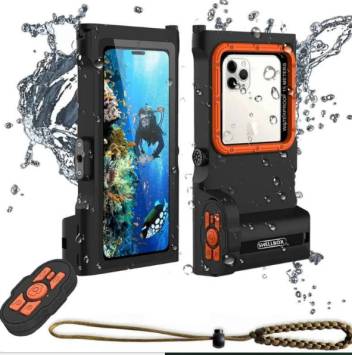
Understanding Waterproof iPhone Cases: Technology and Functionality
What is a Water Proof Case for iPhone?
A water proof case for iPhone creates a complete sealed barrier around your device using precision-engineered gaskets, O-rings, and port covers that prevent water, dust, sand, and other environmental hazards from contacting your phone’s vulnerable openings including speaker grills, microphone ports, charging connections, and the microscopic gaps between screen and body frame. Unlike simple splash-resistant cases offering minimal protection against light moisture, genuine waterproof cases undergo rigorous testing and certification to specific Ingress Protection (IP) ratings—typically IP67 or IP68—guaranteeing submersion survival at defined depths and durations that factory iPhone water resistance alone cannot reliably achieve despite Apple’s marketing claims.
The construction typically involves two primary components: a front housing with integrated screen protector covering the display and forming protective sides around the phone, plus a rear shell snapping or screwing into place with precision-fit gaskets creating watertight seals at every junction point. Premium waterproof cases incorporate multiple sealing layers including silicone O-rings visible when opening the case (often color-coded for proper alignment verification), compression-fit gaskets around the charging port requiring plugs or covers when sealed, and pressure-fitted membrane systems protecting speakers and microphones while maintaining audio functionality. The materials range from rigid polycarbonate providing structural integrity and impact resistance, to flexible TPU (thermoplastic polyurethane) offering shock absorption and comfortable grip, to specialized optical-grade plastics for camera lens covers maintaining photo quality.
Modern waterproof cases solve the historical trade-offs that made earlier generations nearly unusable for daily phone interaction—contemporary designs incorporate ultra-thin screen protectors maintaining touch sensitivity even underwater, precise button covers providing tactile feedback matching naked phone responsiveness, acoustic technologies channeling sound through waterproof membranes without muffling, and wireless charging compatibility through carefully calibrated case thickness and material selection. The evolution means you genuinely can protect your iPhone against serious water hazards without sacrificing the features and convenience that make smartphones essential daily tools rather than emergency-only devices locked in protective fortresses.
Do Waterproof Cases for iPhones Work? Real-World Effectiveness
The definitive answer is yes—waterproof cases for iPhones work when properly installed, maintained, and used within their rated specifications, with countless documented cases of phones surviving full submersion, extended swimming sessions, scuba diving adventures, and accidental drownings that would have certainly destroyed unprotected devices. Testing by independent reviewers and certification bodies consistently validates manufacturer claims for reputable brands, with cases routinely exceeding their stated depth and duration ratings during controlled testing. The key qualifier involves understanding that effectiveness depends entirely on correct usage: even the most expensive professional diving case fails instantly if you forget to close a port cover, ignore worn O-ring replacement schedules, or subject the case to impacts compromising seal integrity before water exposure.
The real-world testing conducted by users across millions of waterproof case purchases reveals high success rates for normal use scenarios—pool swimming, beach days, rain exposure, bathroom accidents, and recreational snorkeling—with failure rates primarily attributable to user error rather than case design flaws. Common user mistakes include failing to perform pre-submersion testing with paper towels inside instead of the actual phone, neglecting to clean sand and debris from gasket surfaces before sealing, using cases beyond their service life after O-rings have degraded from age and UV exposure, or assuming that splash-resistant cases rated for surface water exposure can handle swimming pool submersion. The cases work, but only when users read and follow the detailed installation and maintenance instructions that most people skip.
Professional testing by organizations like Consumer Reports and specialized outdoor gear reviewers demonstrates that premium cases from established brands consistently deliver on their waterproof promises—Catalyst cases survive repeated 33-foot depth testing, OtterBox Frē maintains seals through the full rated 2-meter/1-hour submersion plus significant margins, and even budget options generally protect against the shallow-depth pool and rain scenarios they’re designed for. The distinction emerges when comparing certified cases bearing official IP ratings and standardized testing documentation versus generic Amazon marketplace cases making vague “waterproof” claims without certifications—the former deliver reliable protection backed by warranties and quality control, while the latter represent gambles where some units work perfectly and others fail on first exposure.
The touchscreen functionality through waterproof cases represents the most impressive real-world performance improvement over earlier generations. Modern cases maintain full multi-touch gesture support, precise typing on virtual keyboards, Face ID recognition, and even underwater touch response on premium models incorporating specialized screen protector materials and cavity-free installation techniques. Users report taking underwater selfies, controlling video recording during snorkeling, and using their phones normally while floating in pools—interactions impossible with traditional waterproof pouches or cases sacrificing touch sensitivity for protection. This functional usability while protected defines whether waterproof cases truly “work” beyond mere survival—they enable continued iPhone use during water exposure rather than just preventing damage while the phone remains unusable.
Which iPhone Has the Best Waterproof? Understanding Factory Water Resistance
Which iPhone has the best waterproof capability at the factory? The iPhone 15 Pro, iPhone 16 Pro, iPhone 16 Pro Max, and iPhone 17 series currently share the highest rating of IP68 under IEC standard 60529, tested for maximum depth of 6 meters up to 30 minutes—Apple’s most water-resistant phones to date and genuinely impressive for factory protection without cases. However, this rating includes critical caveats that Apple explicitly states in fine print: water resistance decreases over time as seals naturally degrade, the protection covers fresh water but not salt water or chlorinated pool water, liquid damage isn’t covered under warranty despite the water resistance rating, and the testing occurs under controlled laboratory conditions rather than real-world scenarios involving motion, temperature changes, and repeated exposure.
The IP68 rating progression across iPhone generations shows steady improvement: iPhone 12 offered 6-meter depth for 30 minutes, iPhone 13 maintained the same 6-meter rating, iPhone 14 continued at 6 meters, iPhone 15 standard models achieve 6 meters while Pro models match this specification, and iPhone 16/17 series maintain the 6-meter standard across all models including base versions. The practical difference between these generations involves not just the stated rating but the engineering refinements improving real-world durability—newer models incorporate better gasket materials, improved adhesive technologies bonding screen to frame, and more robust speaker membrane designs resisting water penetration even after years of use and environmental exposure.
However, even the best factory water resistance proves inadequate for many common water exposure scenarios that waterproof cases easily handle. The 6-meter rating applies to still, fresh water at consistent temperatures—not ocean diving with wave action forcing water into ports, chlorinated pool water chemically attacking seals, hot tub heat degrading adhesives, or extended submersion beyond 30-minute testing windows. The depth rating assumes the phone is intact and undamaged—a single hairline crack in the screen or loosened adhesive from a previous drop completely negates factory water resistance, while waterproof cases continue protecting compromised phones as effectively as pristine ones. Most critically, Apple explicitly excludes water damage from warranty coverage and refuses free repairs for liquid damage even on IP68-rated phones, leaving users facing $400-550 out-of-warranty replacement costs for devices marketed as water-resistant.
The recommendation for users wanting reliable water protection involves treating factory IP ratings as emergency backup protection rather than permission for intentional water exposure. The built-in resistance might save your phone from an accidental toilet drop or getting caught in rain, but relying on it for swimming, snorkeling, water parks, beach vacations, or water sports represents risky gamble where eventual failure becomes probability rather than possibility. A $50-90 waterproof case transforms that gamble into confident protection, extending reliable submersion capability while adding impact protection and peace of mind that factory ratings alone cannot provide—especially considering one prevented water damage incident pays for the case multiple times over through avoided repair costs.
Types of Waterproof iPhone Cases: Finding Your Protection Level
Full Submersion Cases for Deep Water Activities
Best underwater case for iPhone applications demands full submersion designs rated for significant depths, typically starting at 10 meters (33 feet) and incorporating specialized features maintaining phone functionality even while completely submerged. These professional-grade cases target scuba divers, serious snorkelers, underwater photographers, and water sports enthusiasts who need absolute confidence that their iPhones survive not just accidental submersion but intentional extended underwater use where failure means destroyed phones and lost irreplaceable photos.
The Catalyst Waterproof Case dominates this category with its industry-leading 33-foot (10-meter) depth rating and IP68 certification, featuring a two-piece clamshell design that fully encases your iPhone once front and rear shells snap together around a colored O-ring providing visual confirmation of proper seal alignment. The case incorporates a hard-coated optical lens maintaining photo quality despite the protective layer, acoustic membranes enabling clear phone calls even underwater, precision-fit button covers providing tactile feedback, and a translucent design allowing inspection of O-ring positioning ensuring proper installation before submersion. Users report successfully taking the Catalyst case diving to rated depths, capturing stunning underwater photography during snorkeling expeditions, using phones while kayaking through rapids, and even recovering phones dropped overboard in lakes and rivers because the sealed case prevented immediate water penetration enabling retrieval before damage occurred.
The DIVEVOLK SeaTouch 4 MAX PLUS represents the cutting-edge of underwater phone protection, featuring full touchscreen functionality even while submerged through proprietary touch-conductive technology, depth ratings suitable for recreational scuba diving, interchangeable color options including new Pink and Silver variants, and housing designed accommodating even thick-profile phones including those with hefty cases already installed. The enhanced grip with custom silicone bumpers prevents accidental drops during wet-handed operation, while the integrated anti-glare filter improves image quality in bright conditions where sun reflecting off water normally creates washed-out footage. The DIVEVOLK case costs significantly more than consumer-grade waterproof cases but delivers professional results justifying investment for serious underwater content creators.
The ProShot Dive Case 2.0 provides budget-friendly entry into serious underwater photography at approximately half the cost of premium alternatives, offering reliable waterproofing, improved durability through reinforced construction, enhanced grip reducing drop risk, and included anti-glare filtering. The build quality doesn’t match flagship cases and some users report occasional fogging issues in extreme temperature differentials, but for recreational underwater use without professional demands, the ProShot delivers functional protection and surprisingly good image quality. The case particularly suits users wanting to test underwater iPhone photography before committing to premium gear, or travelers needing occasional dive protection without carrying expensive equipment.
Hybrid Protection Cases: Balancing Water Resistance with Daily Usability
Hybrid cases strike the crucial balance between comprehensive waterproofing and the slim profiles, convenient access, and wireless charging compatibility that make cases tolerable for daily carry rather than removed and forgotten in drawers. These designs typically achieve IP67-IP68 ratings for submersion to 2-6 feet for 30 minutes to 1 hour—adequate for swimming pools, beach activities, rain exposure, and accidental drops in water, while maintaining thickness barely exceeding standard protective cases.
The OtterBox Frē Series for MagSafe exemplifies hybrid excellence, combining IP68 waterproofing rated for 2 meters up to 1 hour with built-in magnets maintaining full MagSafe compatibility for wireless charging, magnetic wallet attachment, and car mount functionality. The engineering inherited from LifeProof (the original Frē developers before OtterBox acquisition) delivers integrated screen protection, port covers sealing charging openings when not in use, gaskets creating watertight seals when front and back pieces snap together, and built-in anchors enabling lanyard or wristlet attachment preventing drops. The recycled content construction using 50%+ recycled plastic including 25% marine waste appeals to environmentally conscious users, while the relatively slim profile fits pockets and purses more comfortably than extreme-protection cases.
The Ghostek Nautical series targets style-conscious users wanting waterproof protection without sacrificing aesthetic appeal, featuring clear-back designs showcasing your iPhone’s color and Apple logo while providing 6-foot (2-meter) depth protection. The maintained MagSafe compatibility enables wireless charging at full 15W speeds, the slim profile barely exceeds standard cases, and the precise cutouts provide easy button access and lens protection. However, the clear materials show wear faster than solid alternatives particularly after saltwater exposure, and the thinner design sacrifices the extreme impact protection of bulkier options. The Ghostek works perfectly for users who primarily need splash and shallow submersion protection with occasional swimming capability, rather than serious diving or rugged outdoor use demanding maximum durability.
Generic hybrid waterproof cases flooding Amazon and marketplace sellers at $25-45 price points promise similar protection specs to premium brands but deliver inconsistent quality and reliability. Some units genuinely meet their IP67 ratings and provide adequate protection for casual water exposure, while others fail on first pool use through poor gasket quality, inadequate port covers, or manufacturing defects creating gaps in supposedly watertight seals. The gamble involves saving $30-50 versus risking $400+ phone replacement costs—wise users either invest in proven brands or thoroughly test generic cases with paper towels before trusting them with actual phones.
Waterproof Pouches: Universal Protection for Multiple Devices
Water proof phone cover pouch designs offer universal compatibility across any smartphone regardless of brand or model, appealing to households with mixed device ecosystems, travelers carrying multiple phones, or users wanting one protective solution serving current phones plus future upgrades without buying new fitted cases. The pouch construction typically uses clear TPU or PVC materials sealed with waterproof zippers, roll-top closures, or snap locks creating watertight barriers while maintaining visibility and touch functionality through the transparent material.
The Pelican Marine Waterproof Floating Phone Pouch leads this category through buoyant design preventing lost phones if dropped in water, IPX8 rating for full submersion, clear windows enabling photography and video recording through the pouch, and universal sizing accommodating phones up to 7 inches including most current iPhone models even with cases already installed. The floating capability proves especially valuable during water sports, boating, and beach activities where dropped phones would otherwise sink and disappear. The touch sensitivity through the pouch material enables basic phone operation, though fine gestures and precise typing prove more challenging than with fitted cases featuring integrated screen protectors directly contacting displays.
The practical limitations of waterproof pouches include reduced touch sensitivity compared to fitted cases, condensation forming inside pouches during temperature changes, occasional fogging obscuring the screen, and the awkward bulk of pouches designed accommodating wide device size ranges. The Face ID compatibility proves hit-or-miss depending on pouch material thickness and quality, with some pouches blocking facial recognition requiring passcode entry. The photography and video quality suffers from shooting through two layers of plastic (pouch plus phone’s camera lens) creating potential reflections, distortion, and reduced clarity compared to fitted cases with optical-grade lens covers positioned precisely against phone cameras.
However, pouches excel in specific scenarios: emergency backup protection when traveling without regular waterproof cases, protecting phones plus wallets and keys simultaneously through multi-compartment designs, accommodating phones with existing protective cases without removing them, and providing inexpensive protection when exact waterproof needs remain uncertain. The universal compatibility means one pouch serves your iPhone, your partner’s Android phone, your kids’ devices, and future phone upgrades—valuable flexibility fitted cases can’t match.
Sand Proof Phone Case: Protecting Against Abrasive Particles
Sand proof phone case designs address a frequently overlooked threat that accompanies water protection needs during beach vacations, desert adventures, and outdoor activities where fine particles infiltrate regular cases and cause catastrophic damage by scratching screens, jamming buttons, and invading ports. The specialized construction incorporates tightly sealed port covers, gaskets preventing particle infiltration at case seams, and smooth external surfaces reducing sand adhesion compared to textured grips that trap particles.
The Catalyst Waterproof Cases excel at sand protection through the same sealing technology preventing water infiltration—the comprehensive gasket system and sealed ports that keep water out naturally exclude sand particles as well. Users report beach trips where Catalyst cases emerged from sand exposure completely clean inside with zero particle infiltration, while nearby phones in standard cases accumulated gritty sand requiring extensive cleaning. The hard-coated screen protector resists scratching from sand contact, and the sealed design means sand cannot reach vulnerable gaps between case and phone where particles typically cause damage.
The importance of sand protection shouldn’t be underestimated for beach and desert users—sand particles create micro-scratches on screens degrading display clarity, jam mechanical buttons and switches making them sticky or non-functional, invade speaker grills and microphone ports creating permanent audio problems, and corrode metal contacts in charging ports leading to connection failures. The combination of saltwater corrosion and sand abrasion accelerates iPhone degradation dramatically during beach vacations, making comprehensive sealed protection essential rather than optional for frequent beach users.
Maintenance after sand exposure remains critical even with sealed cases—rinsing cases under fresh water removes salt and surface particles before opening them, inspecting gaskets for embedded sand grains before reassembly, and thoroughly cleaning O-rings and sealing surfaces prevents future leaks. The preventive maintenance takes minutes but prevents both immediate damage from trapped particles and long-term seal degradation from sand grinding against gasket materials.
Top Waterproof Case Brands: In-Depth Analysis
Catalyst iPhone Cases: Premium Deep-Dive Protection
Catalyst iPhone cases represent the gold standard for serious water protection, consistently earning top recommendations from underwater photographers, scuba diving enthusiasts, and outdoor adventurers who demand absolute reliability in extreme conditions. The brand’s flagship Catalyst Waterproof Case achieves IP68 certification with industry-leading 33-foot (10-meter) depth rating—triple the capability of most consumer waterproof cases and sufficient for recreational scuba diving, serious snorkeling, underwater photography at significant depths, and any conceivable water sport scenario short of professional deep-sea diving.
The engineering excellence manifests in multiple design elements: the two-piece clamshell construction with colored O-ring providing instant visual confirmation of proper seal alignment, the hard-coated optical lens maintaining camera quality despite protective layers, the acoustic membrane technology enabling clear phone calls even while submerged, and the translucent housing allowing internal inspection verifying correct installation before water exposure. The case incorporates MIL-STD-810G drop protection for 6.6-foot drops alongside waterproofing, addressing both water and impact threats simultaneously. The button covers provide precise tactile feedback matching naked iPhone responsiveness, the rotating mute switch accommodates the side switch position changes across iPhone generations, and the scratch-proof touchscreen with 9H screen protector resists both water and physical damage.
The practical advantages during actual underwater use distinguish Catalyst from competitors—users consistently praise the touch sensitivity enabling full iPhone operation while swimming, the lens clarity producing crisp underwater photos without the haziness plaguing cheaper cases, and the audio quality during underwater video recording capturing clear sound through the sealed membranes. The case enables FaceID functionality despite the screen protector, maintains 5G network compatibility, and supports wireless charging though the bulk affects MagSafe magnetic alignment requiring careful positioning on chargers.
The primary criticism involves daily usability trade-offs—the case adds significant bulk making pockets tight and requiring two-handed phone operation, the sealed design requires complete disassembly for charging with cables (the port covers don’t open individually), and the installation process demands careful attention ensuring proper O-ring seating and seal verification. Most users solve this through dedicated use patterns: installing the Catalyst case specifically for water activities like beach trips and pool days while using slimmer cases for daily carry, or committing to the bulk for extended trips knowing comprehensive protection justifies the inconvenience. The $90 price point reflects premium positioning but delivers professional-grade protection justifying cost through prevented damage and irreplaceable photo opportunities.
Is OtterBox Waterproof? Understanding the Frē Series
Is OtterBox waterproof? The answer requires specification—OtterBox’s standard Defender, Symmetry, and Commuter series provide excellent impact and drop protection but lack waterproof certification, offering only splash resistance through port covers and tight-fit construction. However, the OtterBox Frē Series delivers genuine IP68 waterproof protection rated for 2 meters depth up to 1 hour, combining OtterBox’s legendary durability with full submersion capability suitable for swimming, snorkeling, extended rain exposure, and accidental water immersion scenarios.
The Frē Series engineering incorporates LifeProof DNA—OtterBox acquired LifeProof in 2013 and integrated their waterproof technology into the OtterBox product line, bringing decades of sealed case expertise to OtterBox quality standards. The result combines integrated screen protection eliminating need for separate screen protectors, port covers with pressure-fitted gaskets preventing water infiltration at charging and speaker openings, gaskets sealing the case perimeter when front and rear pieces snap together, and built-in anchors enabling lanyard attachment providing drop prevention backup for water activities. The newest Frē Series for MagSafe models add embedded magnets maintaining full MagSafe compatibility—a breakthrough achievement since traditional waterproof cases sacrificed wireless charging capability through thick walls and sealed construction.
The sustainability focus distinguishes modern OtterBox Frē cases from competitors through construction using 50%+ recycled plastic content including 25% ocean-recovered marine waste, appealing to environmentally conscious users wanting protection without virgin plastic consumption. The cases undergo rigorous testing exceeding advertised specifications—internal testing typically demonstrates successful submersion at depths and durations significantly beyond the 2-meter/1-hour rating, providing confidence margin for real-world use where conditions rarely match controlled laboratory environments. The 360-degree protection encompasses screen, back, sides, and ports, creating comprehensive barrier against water, dust, snow, dirt, and impact damage.
The practical comparison between OtterBox Frē and Catalyst reveals different target users—Frē optimizes for daily carry with occasional water exposure, maintaining relatively slim profile, convenient charging port access through closeable covers, and MagSafe compatibility for modern wireless ecosystems. Catalyst targets maximum depth capability and extreme condition reliability, accepting bulkier design and less convenient daily usability in exchange for 10-meter depth rating and professional-grade sealing. Most users face decision based on actual water exposure patterns: swimming pool, beach, rain, and water sports favor Frē’s balanced approach, while scuba diving, serious snorkeling, and underwater photography demand Catalyst’s extreme specifications.
WATERHERO Phone Case: Emerging Protection Brand
WATERHERO Phone Case represents emerging competition in the waterproof case market, targeting budget-conscious users wanting reliable water protection without premium brand pricing. The brand offers waterproof cases typically priced $30-50, featuring IP68 ratings for submersion protection, built-in screen protectors, port covers, and construction similar to established brands but at approximately half the cost. The value proposition appeals to users prioritizing functional protection over brand reputation, occasional water exposure needs not justifying flagship pricing, or experimental first-time waterproof case buyers testing whether they’ll actually use the protection before premium investment.
The specifications generally claim 6-foot (2-meter) waterproof capabilities for 30 minutes to 1 hour, matching OtterBox Frē ratings on paper if not in tested reliability. User reviews reveal mixed experiences characteristic of newer brands—some customers report successful pool swimming, beach trips, and rain protection matching premium case performance, while others experience seal failures, touch sensitivity issues, or build quality problems like cracking plastics and loosening port covers. The inconsistency likely reflects looser quality control and manufacturing tolerances compared to established brands with decades of engineering refinement and testing infrastructure.
The practical recommendation for WATERHERO and similar emerging brands involves treating them as calculated risks—the potential savings of $40-60 versus Catalyst or OtterBox justify the purchase for casual users accepting some failure risk, but critical use cases like expensive underwater camera opportunities, international travel where phone replacement proves difficult, or professional work dependencies requiring absolute reliability warrant proven premium brands despite higher costs. The thorough pre-submersion testing becomes essential for budget brands—submerging the sealed case with paper towels or tissues inside instead of the phone reveals leaks without risking device damage, a prudent verification step before trusting any new case regardless of brand.
Other Leading Waterproof Case Brands Worth Considering
The Ghostek Nautical series delivers style-conscious waterproof protection through clear-back designs showcasing iPhone aesthetics while providing 6-foot depth rating and MagSafe compatibility. The slim profile barely exceeds standard protective cases, the precise cutouts maintain easy button access, and the translucent construction appeals to users wanting visible Apple logo and phone color despite protective barrier. The clear materials scratch and yellow faster than solid cases particularly after saltwater exposure, and the thinner walls sacrifice some impact protection versus bulkier alternatives, but for users prioritizing appearance alongside water protection, Ghostek occupies a unique niche.
The DIVEVOLK SeaTouch 4 MAX PLUS represents cutting-edge underwater phone technology through full touchscreen functionality while submerged, depth ratings suitable for recreational scuba diving, and professional-grade construction justifying the $200+ premium pricing. The case targets serious underwater content creators, dive instructors, marine biologists, and water sport professionals whose iPhone use demands functionality matching professional dive computers and cameras. The investment makes sense for users who truly need underwater phone operation rather than merely protection during occasional water exposure.
The ProShot Dive Case 2.0 provides budget-friendly underwater photography access, offering reliable waterproofing at approximately half premium case costs. The build quality and features don’t match flagship cases but deliver functional protection for recreational diving, vacation snorkeling, and enthusiast underwater photography without professional demands. The case suits users wanting to explore underwater iPhone photography before committing to expensive professional gear.
Generic marketplace waterproof cases from brands like Temdan, Singdo, and Effun flood Amazon at $20-40 price points, promising IP68 protection through similar construction to premium alternatives. The quality varies dramatically between sellers and even individual units from the same listing—some deliver adequate protection for their price, others fail immediately or shortly after purchase. The reliable strategy involves reading recent reviews specifically mentioning water testing results, purchasing from sellers with generous return policies, and always testing thoroughly with paper towels before risking actual phones.
Best Waterproof Cases by iPhone Model
Best Waterproof Case for iPhone 12: Proven Protection
The best waterproof case for iPhone 12 category benefits from mature product development since iPhone 12’s September 2020 release, with multiple brands offering refined, tested designs at competitive prices. The Catalyst Waterproof Case for iPhone 12 maintains the brand’s signature 33-foot depth rating, two-piece clamshell design, colored O-ring seal, and optical-grade camera lens in a precisely fit enclosure accommodating iPhone 12’s 6.1-inch display and squared-edge design. The case costs approximately $80-90 depending on retailer and color selection, positioning it as premium but justified for users needing serious water protection.
The OtterBox Frē Series for iPhone 12 provides balanced protection through IP68 rating for 2-meter submersion, integrated screen protector, port covers, and relatively slim profile suitable for daily carry. The model maintains compatibility with iPhone 12’s MagSafe feature through embedded magnets, enabling wireless charging and magnetic accessory attachment despite the waterproof sealing. The newer Frē models incorporate recycled ocean plastic construction, appealing to environmentally conscious buyers. The price typically ranges $60-80, offering midpoint between premium Catalyst and budget alternatives.
Budget options for iPhone 12 include generic IP68-rated cases from marketplace sellers at $25-40, offering basic waterproof protection through port covers, gasket sealing, and built-in screen protectors. The Temdan iPhone 12 Waterproof Case represents better-reviewed budget options, featuring claimed 6.6-foot depth rating, screen protector, and slim design at approximately $30. User reviews indicate functional protection for pool and beach use though quality control inconsistency means some units fail while others perform adequately. The risk-reward calculation favors budget cases for occasional water exposure not justifying premium investment, while frequent water users should invest in proven brands.
The iPhone 12 mini and iPhone 12 Pro Max require model-specific cases due to different dimensions (5.4-inch and 6.7-inch respectively), with major brands offering variants across the full iPhone 12 lineup. The case selection for iPhone 12 standard and Pro models overlaps significantly since these share identical external dimensions, simplifying cross-shopping and enabling used market purchases from either model. The older iPhone 12 generation cases often appear on clearance as retailers focus inventory on iPhone 15-17 models, creating opportunities for significant discounts on premium cases.
iPhone 15/16/17 Latest Waterproof Protection
The iPhone 15’s transition to USB-C and the iPhone 16/17’s introduction of Camera Control button created new challenges for waterproof case design, requiring updated port covers accommodating different charging connector sizes and integrated controls enabling the pressure-sensitive button functionality through case materials. The latest waterproof cases address these requirements while maintaining traditional sealing reliability and adding modern features like enhanced MagSafe compatibility and improved acoustic transparency.
The Catalyst Waterproof Case for iPhone 16 incorporates precise USB-C port cover, Camera Control button access (though swipe gestures aren’t supported through the case), maintained 33-foot depth rating, and compatibility with iPhone 16’s updated camera array positioning. The translucent design allows verification of proper O-ring seating, while the hard-coated camera lens protects the advanced optics on iPhone 16 Pro and Pro Max models. The case enables Face ID recognition, supports 5G connectivity, and maintains fingerprint-free frosted back reducing visible smudging. The installation requires careful attention ensuring proper seal, but the visual O-ring alignment indicators simplify verification compared to opaque cases requiring guesswork about internal positioning.
The OtterBox Frē Series for iPhone 16 Pro Max delivers IP68 waterproof protection rated for 2 meters up to 1 hour, integrated screen protector eliminating need for additional protection, pressure-fitted gaskets on USB-C charging port, and built-in magnets maintaining full MagSafe compatibility. The recycled plastic construction using 50%+ recycled content including ocean-recovered materials continues OtterBox’s sustainability initiative. The case includes built-in attachment points for lanyards and wristlets, providing drop prevention particularly valuable during water activities where wet hands increase fumble risk. The USB-C port cover design improves over previous Lightning versions through easier opening and more secure sealing when closed.
The iPhone 17 series waterproof cases build on iPhone 16 designs with minor refinements accommodating any dimensional or feature changes in the latest models. Major brands typically release iPhone 17-compatible cases simultaneously with phone launch, ensuring immediate availability rather than waiting weeks for third-party manufacturers to reverse-engineer dimensions and produce compatible products. The advance review units from Apple to major case manufacturers enable this coordination, benefiting consumers who want waterproof protection from day one of new phone ownership.
Activity-Specific Waterproof Case Recommendations
Do Waterproof Phone Cases Work for Swimming? Pool and Lap Swimming
Do waterproof phone cases work for swimming? Yes, properly rated waterproof cases absolutely work for swimming pool use, with millions of successful installations enabling users to capture underwater video, take swimming photos, use workout tracking apps during lap swimming, and even make phone calls while floating in pools. The key requirement involves selecting cases specifically rated for submersion rather than mere splash resistance—IP67 minimum rating for 1-meter depth, ideally IP68 for 2-meter rating providing safety margin beyond typical pool depths.
The swimming-specific considerations include touch sensitivity while submerged (premium cases maintain full touchscreen response underwater while budget alternatives often lose sensitivity requiring removal from water for phone operation), camera lens clarity for underwater photography (optical-grade lens covers prevent the haziness and distortion common in cheaper cases), secure fit preventing accidental case opening from water pressure during diving or jumping, and floatation or bright colors enabling easy pool bottom spotting if dropped. The buoyant cases or those with attachment points for floatation wristlets provide valuable insurance against sinking phones in deep pools.
The swimming technique impacts waterproof case success—surface swimming and water aerobics create minimal pressure and water force testing seals gently, while competitive diving from boards and vigorous lap swimming generate substantial forces that can reveal seal weaknesses in marginal cases. Users report premium cases like Catalyst handling full swimming spectrum including high diving board jumps creating considerable impact and pressure, while budget cases sometimes fail specifically during diving despite surviving regular swimming. The testing recommendation involves starting with surface swimming in shallow water, gradually progressing to deeper submersion and more vigorous activity as confidence builds in case reliability.
The pool chemistry factor warrants mention—chlorinated pool water proves more aggressive than fresh water against case seals and materials, with some gasket compounds degrading faster in chlorine-rich environments. The post-swim maintenance becomes essential: rinsing the sealed case under fresh water removing chlorine before opening, inspecting O-rings for damage or swelling, and allowing complete drying before next use. The cases last multiple swimming seasons with proper maintenance, but neglecting cleaning accelerates seal degradation requiring earlier replacement than manufacturer life expectancy suggests.
Beach, Ocean, and Saltwater Use Considerations
The beach environment combines multiple threat vectors demanding comprehensive protection: saltwater corrosion attacking metal ports and components, sand abrasion scratching screens and jamming mechanisms, sun exposure degrading plastic materials and gaskets, and the inevitable drops onto hard surfaces when wet hands fumble phones. The waterproof cases addressing all these challenges simultaneously justify investment through preventing the accelerated iPhone degradation common after beach vacations.
The saltwater exposure creates unique challenges beyond fresh water—the salt ions prove more conductive potentially interfering with capacitive touchscreen operation, the corrosive properties attack case materials and phone components if seals fail, and salt crystals form as water evaporates potentially jamming port covers and creating grinding particles at seal surfaces. The comprehensive sealing of premium waterproof cases prevents these issues through complete barrier between saltwater and phone, while the immediate post-use freshwater rinse removes salt before it causes damage.
The sand protection proves equally critical—even excellent waterproof cases fail if sand particles embed in gaskets preventing proper sealing. The beach routine should include rinsing case under fresh water before opening (many beaches provide outdoor showers for this purpose), visual inspection of O-rings and sealing surfaces removing any visible sand grains, and complete drying before reassembly. The sealed case naturally excludes sand from the interior, but the sealing surfaces remain vulnerable during opening and closing procedures when sand-covered hands or cases can transfer particles to critical sealing zones.
The floating capability or bright colors become especially valuable in ocean use where dropped phones sink permanently into murky water or get lost in waves. The cases with built-in buoyancy or attachment points for foam floatation wristlets provide insurance against loss, while bright neon colors enhance visibility in blue-green ocean water where standard black or clear cases become invisible. The ocean wave action and undertow create forces exceeding pool conditions, making premium case selection with proven sealing particularly important for surf zone and active ocean use.
Water Sports: Kayaking, Surfing, and Action Activities
Water sports create unique demands combining water exposure with significant impacts, requiring cases delivering both waterproof protection and exceptional shock resistance. The kayaking scenario involves guaranteed water exposure from paddle drips and spray, high likelihood of bumping phone against boats and gear, potential for full submersion during capsizes, and need for easy one-handed operation while managing paddle and boat control. The cases excelling in these conditions feature lanyard attachment points preventing loss, easily accessible buttons enabling camera activation with wet hands, and rugged construction surviving the constant jostling and impacts inherent to active paddling.
The surfing and bodyboarding environment demands maximum protection—repeated saltwater submersion through multiple wave sets, violent impacts when wiping out, high probability of case-to-surfboard contact creating scratches and abrasions, and the extreme forces of wave impacts testing seal integrity. The premium waterproof cases designed for surf use incorporate especially robust corner protection absorbing impact energy, reinforced port covers resisting forced water entry from wave pressure, and secure closure mechanisms preventing accidental opening during tumbles. The slim profile proves less critical for surfing since phones typically stay secured in board bags or beach storage rather than pockets, enabling bulkier protection without daily carry concerns.
The action camera use case transforms iPhones into GoPro alternatives when mounted on helmets, chest harnesses, or handlebar mounts during activities like mountain biking, skiing, or motorsports. The waterproof protection handles rain, snow, mud, and incidental water exposure while maintaining video recording access. The cases enabling this usage provide mounting point compatibility with action camera ecosystems, maintain audio capture through acoustic membranes recording environmental sounds, and protect against the vibration and impacts from mounting on moving equipment. The touchscreen access proves less critical since recording typically starts before activity begins and stops after completion, though premium cases maintaining functionality enable on-the-fly adjustments without removing cases.
Everyday Weather and Accident Protection
The unglamorous but valuable use case involves daily protection against weather, spills, bathroom accidents, and the countless unexpected water exposures that destroy unprotected phones. The rainstorm catching you outdoors, the coffee spill at your desk, the toilet drop while fumbling with pockets, the kitchen sink splashing during dishwashing—these scenarios cause more total iPhone water damage than swimming and diving combined simply through frequency despite lower drama.
The waterproof cases providing daily protection balance reliability with convenience, achieving IP68 ratings while maintaining slim profiles, easy port access, and MagSafe compatibility enabling wireless charging without case removal. The OtterBox Frē Series exemplifies this category through everyday usability matching regular protective cases while adding submersion protection available when needed. Users report wearing Frē cases full-time across months and years, occasionally benefiting from waterproof capability when accidents happen but primarily appreciating the peace of mind that water exposure won’t trigger expensive repairs or data loss.
The bathroom and kitchen use gains particular importance given how many phones meet untimely ends in these wet environments. The sink full of water while washing dishes, the bathtub during relaxing soaks, the shower steam and potential direct water exposure while checking messages—all create risk that waterproof cases eliminate. The confident phone use in previously forbidden zones proves liberating: answering calls while cooking without fear of ingredient-covered hands, checking recipes during food prep without worrying about spills, even using phones in bath without terror of fumbles and splashes.
The weather protection extends beyond rain to snow, sleet, fog, and humidity that gradually infiltrates unsealed cases and condenses inside, causing corrosion and water damage despite never involving direct liquid contact. The sealed waterproof construction prevents moisture infiltration in humid climates, during temperature transitions causing condensation, and in environments like gyms and saunas where water vapor concentrations exceed normal atmospheric levels. The comprehensive sealing delivers benefits extending far beyond obvious water scenarios into everyday protection improving phone longevity through prevented gradual moisture damage.
Critical Features and Specifications Explained
Understanding IP Ratings: What the Numbers Actually Mean
The IP rating system (Ingress Protection) provides standardized measurement of case protection against solid particles (first digit) and liquids (second digit), with IP68 representing the highest commonly available rating meaning complete dust protection (6) and submersion capability beyond 1 meter depth (8). Understanding these ratings prevents misunderstandings where users assume all “waterproof” claims offer equal protection, when reality spans from basic splash resistance through professional diving capability.
The first digit ranges from 0 (no protection) through 6 (complete dust protection), with waterproof cases universally achieving rating 6 since the sealing required for water protection inherently prevents dust infiltration. The second digit determines water protection levels: IP67 indicates submersion to 1 meter for 30 minutes, IP68 covers depths beyond 1 meter with duration and depth specified by manufacturers (commonly 2-6 meters for consumer cases, up to 10 meters for premium models). The critical distinction involves IP67 versus IP68—the former suffices for accidental submersion and brief swimming, while IP68 enables extended underwater use and deeper diving.
The testing standards behind IP ratings involve controlled laboratory conditions—fresh water at specific temperatures, carefully sealed test units, and standardized pressure measurements. Real-world conditions introduce variables like wave action forcing water into ports, temperature differentials creating pressure changes, saltwater’s increased conductivity and corrosiveness, and the case wear from daily use degrading seals over time. The reputable manufacturers test beyond minimum rating requirements, providing safety margins, but users should treat rated specifications as maximums rather than guarantees—a case rated for 2 meters shouldn’t regularly dive to that limit, and 1-hour submersion ratings don’t mean continuous underwater use for 60 minutes.
The depth and duration relationship proves non-linear—doubling depth more than doubles pressure and stress on seals. A case comfortably handling 1-meter submersion might fail at 2 meters despite claiming that rating, particularly if gaskets show age or damage. The conservative use philosophy extends case life: using 2-meter rated cases in 1-meter depths, limiting submersion to 30 minutes despite 1-hour ratings, and maintaining cases vigilantly through O-ring inspection and replacement maximizes reliability throughout the service life.
Touchscreen Sensitivity and Underwater Functionality
Modern waterproof cases achieve remarkable touchscreen sensitivity through ultra-thin screen protectors bonded directly to displays, eliminating air gaps that historically prevented capacitive touch response. The premium cases maintain full multi-touch gesture support, precise typing on virtual keyboards, smooth scrolling, and even Face ID recognition through the screen protector—functionality matching naked iPhone operation despite the protective barrier.
The underwater touch response represents more advanced capability available on premium cases through specialized materials and designs enabling continued operation while submerged. Standard capacitive touchscreens fail underwater because water conducts electricity, confusing touch detection systems designed for air gaps between fingers and screens. The cases solving this incorporate mechanical force detection instead of capacitive sensing, or use specialized conductive materials maintaining distinct touch registration despite water contact. The DIVEVOLK SeaTouch series exemplifies advanced underwater touch technology, enabling full iPhone control while swimming or diving rather than requiring surface return for each adjustment.
The Face ID compatibility through integrated screen protectors required engineering breakthroughs since the structured light projector and infrared sensors demand precise optical paths. The successful cases use anti-reflective coatings and specific material thicknesses maintaining sufficient infrared transmission for facial recognition while providing impact protection. Users report slightly slower Face ID recognition through cases compared to naked phones, occasionally requiring second attempts, but generally reliable operation for unlocking and authentication.
The button responsiveness distinguishes quality cases through precisely engineered button covers providing tactile feedback matching original button feel. The cheap cases use generic rubber covers creating mushy, unresponsive buttons requiring excessive pressure or multiple presses, while premium cases incorporate mechanical button enhancers directly contacting phone buttons and transmitting pressure through protective barriers with minimal force loss. The volume buttons, power button, and mute switch all require individual engineering attention since different button types use various activation mechanisms demanding different cover designs.
Camera and Photo Quality Through Cases
The camera lens protection presents significant engineering challenges since adding any material between iPhone cameras and subjects risks degrading image quality through refraction, distortion, scratching, or light loss. The premium waterproof cases solve this through optical-grade lens covers using ultra-clear polycarbonate or tempered glass with anti-reflective coatings, maintaining image sharpness, color accuracy, and light transmission nearly identical to naked phone performance.
The underwater photography introduces additional complications—water refracts light differently than air, creating color shifts particularly in red spectrum that disappears first in deep water, and the pressure differential at depth can stress lens covers creating distortion. The cases designed for serious underwater photography incorporate flat lens ports maintaining proper refractive properties, red filters compensating for color spectrum loss at depth, and reinforced lens rings preventing flex under pressure. The professional cases like ProShot and DIVEVOLK include these features, while budget cases often produce disappointing underwater images despite waterproof protection successfully preventing phone damage.
The flash performance through cases matters for low-light and underwater photography where ambient light proves insufficient. The quality cases use transparent materials around flash LED maintaining light output, while inferior cases block or diffuse flash creating dim, uneven illumination. The Night mode photography on recent iPhones proves sensitive to even minor light obstructions, making high-quality flash transmission essential for maintaining naked phone photo capabilities.
The lens protector scratching represents inevitable wear over time—even hardened optical plastic accumulates micro-scratches from sand, keys, and incidental contact. The cases offering replaceable lens protectors or affordable replacement cases enable maintaining photo quality after months of use when scratches affect image sharpness. The Catalyst cases feature hard coating resisting scratches better than standard plastics, extending usable life before image quality degradation becomes noticeable.
Charging, MagSafe, and Wireless Functionality
The MagSafe compatibility represents recent breakthrough in waterproof case design since traditional sealed cases used thick materials and metallic components interfering with magnetic alignment and wireless charging coils. The modern premium cases incorporate embedded ring magnets precisely positioned matching iPhone’s internal MagSafe array, enabling secure attachment to MagSafe chargers, battery packs, wallets, and car mounts despite protective barriers. The magnetic force through cases proves slightly weaker than naked phones, occasionally requiring centered placement on chargers, but generally maintains reliable 15W wireless charging when using 20W+ power adapters.
The wired charging through waterproof cases requires port covers sealing USB-C or Lightning connectors when not in use. The cover designs range from snap-on plugs requiring removal before each charge, to hinged doors opening and closing while staying attached to cases, to rotating covers swinging aside for access. The ease of daily charging access directly impacts whether users maintain waterproof protection continuously or remove cases for charging convenience—the best covers balance watertight sealing with effortless opening, while poor designs frustrate users into leaving ports exposed or abandoning cases entirely.
The wireless charging eliminates port cover hassle but introduces heat management challenges—waterproof cases trap heat more than ventilated designs, potentially causing charging slowdowns or termination when thermal limits are reached. The quality cases incorporate thermal management through material selection conducting heat away from phones, strategic ventilation not compromising waterproof seals, and thickness optimization maintaining wireless charging efficiency. Users report that premium cases charge successfully overnight on wireless pads, while some budget cases interrupt charging from overheating or simply fail to charge through thick walls blocking inductive coupling.
The CarPlay and accessory compatibility extends to wired connections requiring port access—USB-C to Lightning audio adapters, HDMI video output, external storage drives, and other peripherals demanding physical connections. The waterproof cases with easily removable port covers maintain this functionality, while permanently sealed cases or difficult covers effectively eliminate wired accessory use. The decision between maximum waterproof integrity through permanent sealing versus maintained accessory compatibility through accessible ports depends on individual usage patterns and priorities.
Installation, Testing, and Maintenance Best Practices
Proper Installation Procedures: Step-by-Step
The correct waterproof case installation begins with thorough cleaning—removing all dust, lint, and debris from iPhone surfaces using microfiber cloth, paying particular attention to screen edges and camera areas where particles can prevent proper case seating. Inspect the case components checking for damage including cracked plastics, torn gaskets, or bent port covers that compromise waterproof integrity before installation. Clean the case interior and all gasket surfaces using slightly damp cloth, then dry completely avoiding moisture trapped between case and phone causing condensation and potential water damage.
The O-ring inspection proves critical for cases using visible gaskets—examine the colored O-ring for cuts, tears, stretching, or embedded debris indicating necessary replacement before trusting the case for water exposure. Many premium cases include spare O-rings specifically because these wear items require periodic replacement maintaining seal integrity. Apply thin silicone grease to O-rings if recommended by manufacturer, using only specified products since wrong lubricants can degrade gasket materials causing premature failure.
The iPhone placement requires careful alignment ensuring even gaps around entire perimeter—misaligned installation creates stress concentrations potentially cracking cases or preventing proper seal formation. Place the phone in the rear case section first, verifying centered positioning and checking that camera lenses align with case cutouts without obstruction. Attach the front section ensuring any alignment posts or guides seat properly, then snap or screw the case closed following manufacturer sequences since incorrect assembly order can prevent complete sealing.
The final installation verification involves multiple checks: visual inspection confirming proper O-ring positioning within its channel without twists or gaps, physical examination checking that all case edges sit flush without separations, button testing verifying responsive operation of all controls, and touchscreen confirmation ensuring full sensitivity across the entire screen. The most critical verification comes next—the water test using paper towels or tissues instead of your actual phone.
Pre-Submersion Testing: The Paper Towel Method
The paper towel test represents essential verification before trusting any waterproof case with expensive iPhones, particularly for new cases, after O-ring replacement, or when returning cases to service after extended storage. Fold paper towels or facial tissues into rectangles roughly iPhone-sized, place inside the sealed case instead of your actual phone, then fully submerge in water for 5-10 minutes at depths matching intended use scenarios. Remove the case, carefully open it, and inspect the paper for any moisture indicating seal failure.
The dry paper confirms waterproof integrity, while even slight dampness reveals leaks requiring investigation before risking actual phones. Check the specific areas showing moisture—wet spots near charging ports indicate port cover issues, dampness along screen edges suggests front-to-back gasket problems, and moisture near buttons implies button cover seal failures. Address identified issues through re-seating gaskets, replacing O-rings, or returning defective cases before submersion with phones inside.
The testing schedule should include new case verification before first water use, periodic testing every 3-6 months for frequently used cases, immediate testing after any drop or impact potentially affecting seals, and annual testing minimum for occasionally used cases where gasket degradation might occur unnoticed. The five-minute investment in paper towel testing prevents devastating phone loss and expensive repairs, making it non-negotiable safety verification rather than optional suggestion.
The depth testing during verification should match or exceed intended use—if planning pool swimming at 4-5 feet depth, test in bathtub or bucket at 6+ feet depth providing safety margin. The extended duration testing (15-30 minutes submersion) exceeds typical use patterns, revealing marginal seals that might survive brief exposure but fail during prolonged submersion. The conservative testing philosophy catches problems during safe paper towel trials rather than discovering failures when expensive phones are inside cases and underwater.
Long-Term Maintenance and Care
The waterproof case maintenance extends beyond initial installation into ongoing care maintaining seal integrity throughout service life. The post-use freshwater rinse removes salt, chlorine, sand, and other contaminants preventing gasket degradation—allow the sealed case to air dry completely before opening to prevent water dripping onto phones during case removal. Store cases in cool, dry locations avoiding direct sunlight since UV exposure and heat accelerate plastic aging and gasket deterioration.
The O-ring replacement schedule varies by usage intensity and exposure conditions—recreational users replacing annually, frequent swimmers replacing every 6 months, and professional users in demanding conditions replacing quarterly or even more frequently. The replacement O-rings typically cost $5-15 for multi-packs and take minutes to install, representing trivial investment preventing catastrophic failures. Many manufacturers provide free or discounted replacement gaskets when registering products, making proactive replacement financially feasible.
The periodic inspection should occur monthly for regular users, checking for visible gasket damage, plastic cracking particularly around stress points like hinges and corners, port cover degradation, and screen protector scratching or delamination. Address any identified issues immediately rather than gambling on continued reliability with damaged components. The case lifespan typically ranges 1-3 years depending on usage intensity and care quality, with replacement signals including persistent seal problems despite new O-rings, visible material degradation, or accumulating damage from drops and wear.
The storage recommendations for seasonal cases or those used only during vacations include cleaning thoroughly before storage, inspecting and replacing O-rings if needed, leaving cases slightly opened rather than sealed reducing gasket compression stress during storage, and keeping in protective bags or boxes preventing dust accumulation and physical damage. The pre-season recommissioning involves complete inspection, paper towel testing, and potential gasket replacement before trusting cases with phones after months of storage.
Buying Guide: Making the Right Investment
Assessing Your Actual Water Protection Needs
The honest evaluation of genuine water exposure patterns prevents overspending on extreme-rated cases delivering capabilities you’ll never use, or under-investing in inadequate cases failing during predictable scenarios. The occasional rain exposure and accidental spill risk requires only basic IP67 protection, easily achieved by budget-friendly options at $30-50. The regular pool swimming, beach vacations, and water park visits demand reliable IP68 cases from proven brands at $60-90 price points providing confidence through established track records and comprehensive warranties.
The serious water sports including surfing, kayaking, jet skiing, and wakeboarding justify premium cases rated for deep submersion and repeated impacts, accepting the $90-120 costs as insurance against destroyed phones and lost photos from water exposure combined with impacts inherent to active sports. The professional underwater photography or scuba diving requires maximum-rated cases like Catalyst with 33-foot depth capability and optical-grade lens protection at $90-130, representing essential equipment rather than optional accessories when valuable equipment and irreplaceable photo opportunities are at stake.
The usage frequency affects value calculations—daily swimmers or beach residents wearing waterproof cases year-round justify premium investments through prevented damage over hundreds of exposures, while vacation-only users swimming a few weeks annually might reasonably choose budget cases accepting some failure risk given limited exposure. The environmental conditions matter too—saltwater and sand prove more demanding than chlorinated pools and fresh lakes, potentially justifying premium case selection even for occasional use in harsh conditions.
Budget Allocation and Cost-Benefit Analysis
The waterproof case cost-benefit calculation starts with iPhone replacement expenses—Apple out-of-warranty service fees range $279-599 depending on model, third-party repairs cost $150-400 for water damage, and AppleCare+ deductibles reach $99-129 for incident repairs. A single prevented water damage incident pays for premium cases multiple times over, while even budget cases prove economically justified if they save phones once during typical 2-3 year ownership periods.
The price tiers breakdown clarifies value at different investment levels:
Budget ($20-40): Generic IP67-IP68 cases with basic features, inconsistent quality, limited warranties. Suitable for: occasional use, low-risk scenarios, experimental purchases, backup protection.
Mid-Range ($40-70): Established brands with proven track records, comprehensive warranties, reliable customer service. Optimal for: regular recreational use, balanced protection and usability, best price-to-performance ratio.
Premium ($70-120): Maximum-rated cases from industry leaders, advanced features like MagSafe compatibility, professional-grade construction. Ideal for: frequent serious use, professional needs, peace of mind priorities, demanding conditions.
The cost considerations extend beyond initial purchase to long-term ownership including replacement O-rings ($5-15 annually), potential case replacement after 1-3 years ($50-120), and opportunity costs of case inconveniences affecting daily phone use. The balanced approach invests appropriately for actual needs without overpaying for unused capabilities or underinvesting and facing expensive damage.
Where to Buy and Warranty Considerations
The manufacturer direct purchases from Catalyst, OtterBox, and other brand websites guarantee authenticity, provide access to warranty claims, include customer service support, and sometimes offer exclusive colors or bundles unavailable through retailers. The pricing matches or slightly exceeds major retailers, but the assurance of genuine products and direct warranty support justifies minor premiums over marketplace sellers with uncertain authenticity.
The major retailers including Amazon, Best Buy, Target, and Apple Stores stock popular waterproof cases with competitive pricing, generous return policies enabling try-before-commit approaches, and convenient local returns avoiding shipping hassles. The Amazon marketplace requires caution—purchase from manufacturers’ official storefronts or “Sold by Amazon” listings avoiding third-party sellers potentially offering counterfeits at suspiciously low prices. The fake waterproof cases represent false economy since they fail when needed most, offering worthless “protection” and voiding phone warranties if water damage occurs through counterfeit case failures.
The warranty coverage varies significantly: OtterBox provides lifetime warranties on many products covering defects and even some accidental damage, Catalyst offers 1-year warranties plus extended protection through registration, while budget brands often provide 30-90 day coverage or none at all. The warranty terms should influence purchase decisions—the lifetime coverage effectively reduces premium case costs through free replacements if problems occur, while limited warranties on budget cases mean replacement costs approach original purchase prices when cases fail after warranty expiration.
The return policies matter for first-time waterproof case buyers uncertain whether they’ll tolerate the bulk and daily usability trade-offs. The Amazon 30-day returns, Best Buy’s extended holiday return windows, and manufacturer trial periods enable testing cases with real phones (after paper towel verification) during actual activities determining whether the protection justifies any inconveniences. The opened-box returns prove generally acceptable for defective or unsuitable products, though policies vary by retailer.
Frequently Asked Questions
How long can waterproof cases stay underwater?
The rated duration varies by model—typically 30 minutes for IP67 cases, 1 hour for most IP68 cases, and unlimited time for premium sealed cases when properly maintained. However, use conservatively staying well under maximum ratings since testing occurs in ideal conditions while real-world use introduces variables like temperature, pressure, and case wear affecting actual limits.
Can I charge my iPhone in a waterproof case?
Wireless charging works through compatible cases, while wired charging requires opening port covers exposing charging connectors. The port opening temporarily eliminates waterproof protection during charging, though the covers reseal afterward. Many users charge wirelessly avoiding port cover hassle.
Will Face ID work through a waterproof case?
Yes, quality cases maintain Face ID functionality through screen protectors designed allowing infrared transmission. Recognition may be slightly slower or occasionally require second attempts, but generally works reliably for unlocking and authentication.
How often should I replace my waterproof case?
Replace O-rings every 6-12 months depending on use frequency, and entire cases every 1-3 years when showing wear including gasket degradation, plastic cracking, or screen protector damage. More frequent replacement proves necessary for heavy use or harsh conditions.
Can waterproof cases protect from sand and snow?
Yes, the sealed construction excluding water naturally prevents sand and snow infiltration. However, sand particles can embed in gaskets during opening/closing, so rinse cases before accessing phones and inspect gaskets regularly removing debris.
Do waterproof cases affect wireless charging?
Premium cases maintain wireless charging through optimized thickness and MagSafe-compatible magnetic arrays, though charging may be slightly slower than naked phones. Budget cases with excessive thickness or metal components may block wireless charging entirely.
Are waterproof cases TSA-friendly for airport security?
Yes, waterproof cases don’t contain prohibited materials and pass through security screening normally. However, the bulk and enclosed design may prompt additional inspection, so allow extra screening time if traveling with sealed cases.
Can I take underwater photos/videos with these cases?
Absolutely—this represents a primary use case for waterproof cases. Premium models maintain camera quality and enable underwater operation, while budget cases may affect image clarity but still capture usable photos/videos while protecting phones.
What happens if water gets inside the case?
Immediately power off the phone if possible, remove from case, dry thoroughly, and assess damage. If caught quickly, rice treatment or desiccant bags may save phones. Contact manufacturer about warranty coverage for case seal failures causing water infiltration.
Do I need to test my case regularly?
Yes, test with paper towels every 3-6 months for regular users, before important trips or activities, after any drops or impacts, and whenever O-rings are replaced. The five-minute testing investment prevents expensive phone damage from undetected seal degradation.
Final Recommendations: Choosing Your Perfect Waterproof Protection
The water proof case for iPhone selection ultimately depends on honest assessment of your water exposure patterns, budget constraints, and willingness to accept daily usability trade-offs for comprehensive protection. For users facing frequent serious water exposure through swimming, water sports, beach lifestyle, or professional maritime activities, premium cases from Catalyst or OtterBox Frē Series deliver reliability justifying $70-130 investments through prevented damage across hundreds of water encounters throughout multi-year ownership. The advanced features including MagSafe compatibility, optical-grade lens protection, and proven seal integrity represent genuine value rather than unnecessary luxury when water exposure occurs regularly.
The recreational users swimming occasionally during summer months, visiting beaches on vacations, or simply wanting protection against household accidents find excellent balance in mid-range options at $40-70 from established brands offering IP68 ratings without extreme depth capabilities. These cases deliver reliable protection for typical scenarios while maintaining reasonable daily usability through thoughtful design balancing waterproofing with convenience features like easily accessible port covers and relatively slim profiles.
The budget-conscious buyers or first-time waterproof case users can experiment with $20-40 generic options, accepting inconsistent quality and limited warranties in exchange for low-risk financial investment determining whether waterproof cases suit their lifestyle before premium purchases. However, always conduct thorough paper towel testing before trusting budget cases with actual phones, and consider the mathematical reality that single prevented water damage incident costing $300+ for iPhone repair easily justifies the $30-50 difference between budget and proven mid-range cases.
The peace of mind value transcends pure economics—the confident phone use during rain, near water, in bathrooms, and during activities that previously required leaving phones safely stored eliminates the constant worry and restriction that unprotected expensive devices impose. Whether that freedom from anxiety justifies $50 or $150 depends on individual preferences and risk tolerance, but the investment objectively delivers value measured in both prevented damage and expanded iPhone usability in previously forbidden situations.

Editor-in-chief in charge of reviewing an article before it is published on applerepo.com